
Obtenir un devis instantané

Service d’usinage CNC en ligne

Usinage CNC à la demande pour un prototypage et une production rapides de pièces, grâce à un réseau d’ateliers spécialisés, expérimentés et rigoureusement contrôlés.

Devis instantané en usinage CNC Tous vos téléchargements sont sécurisés et confidentiels.

Services en usinage CNC

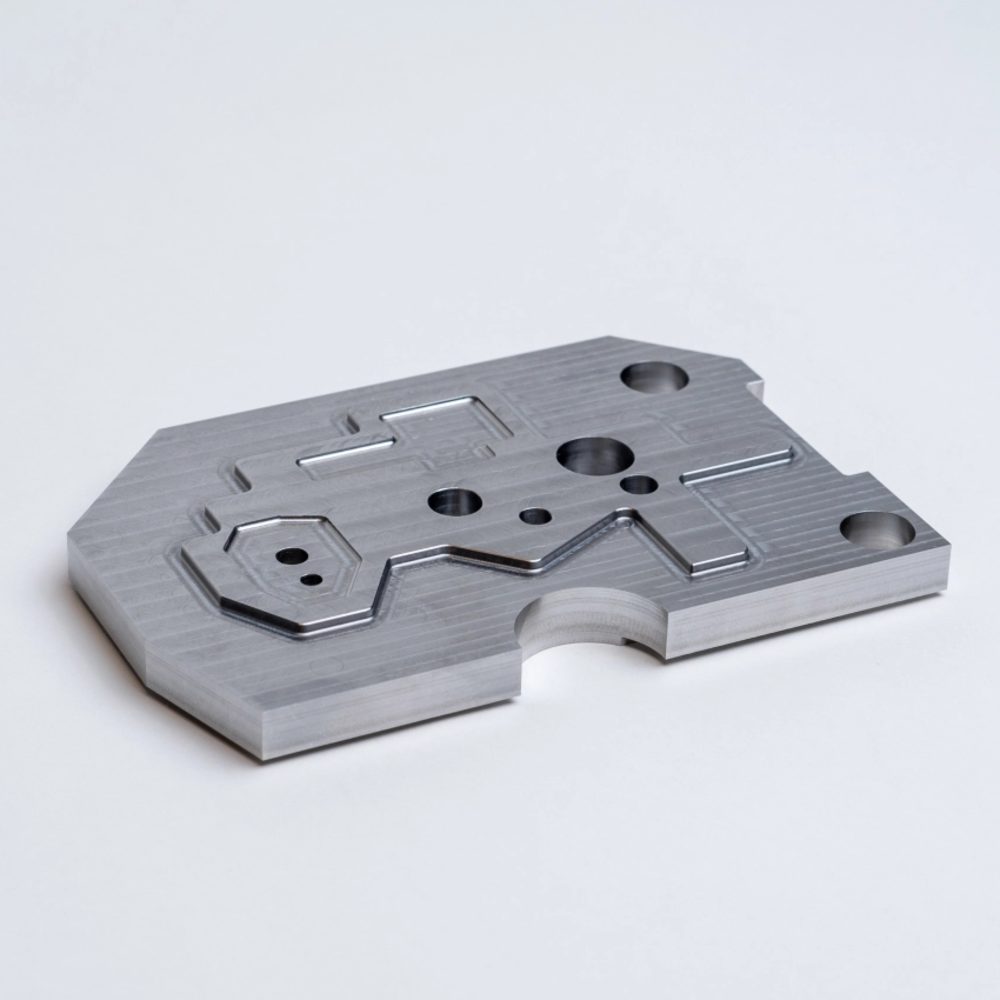
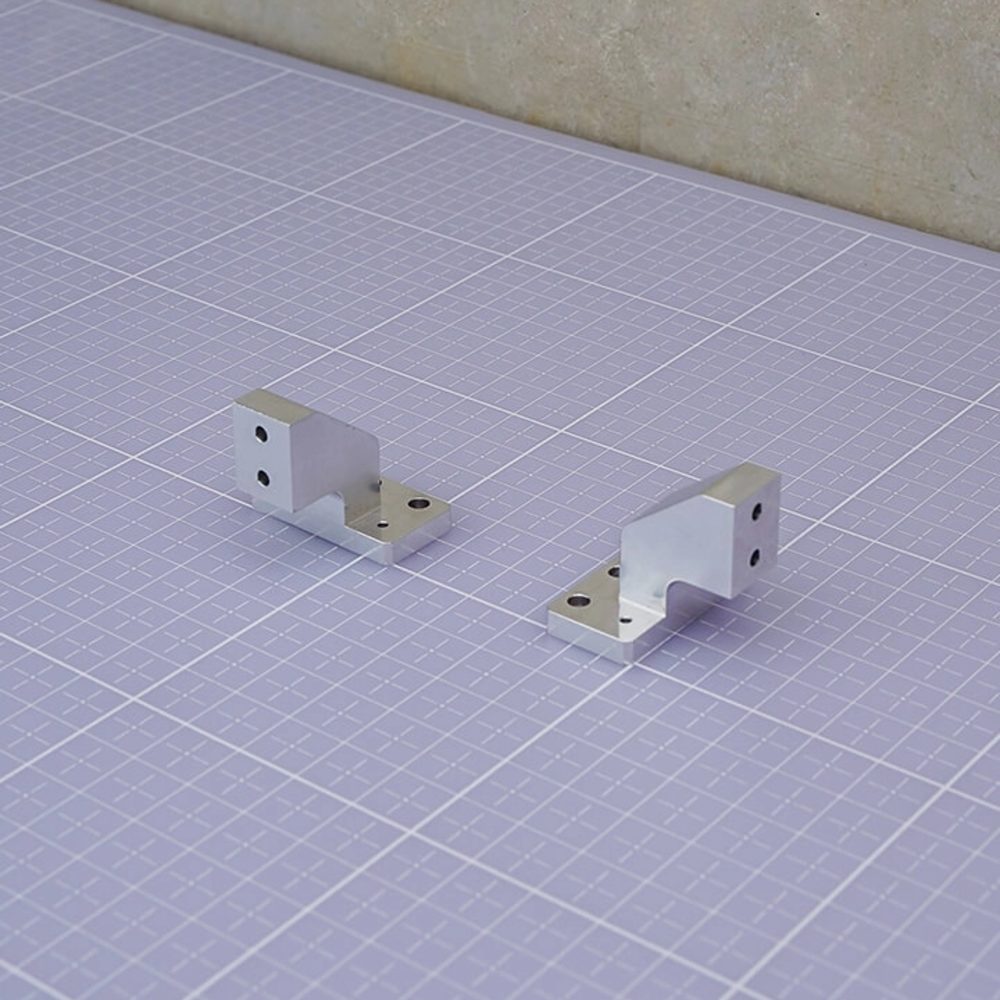
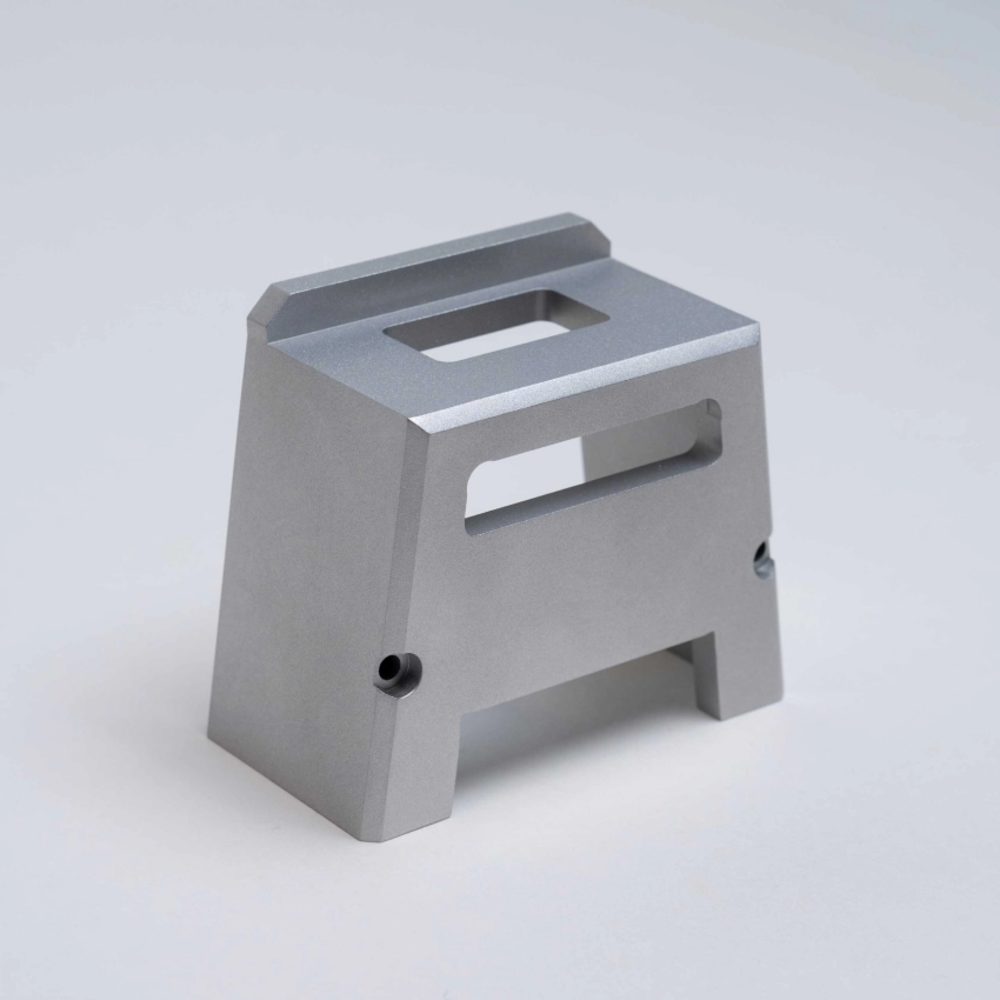
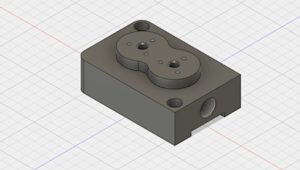
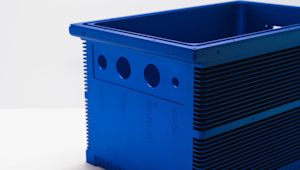
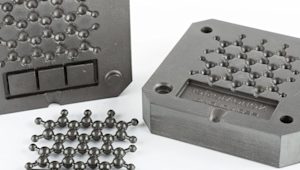
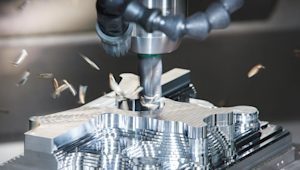
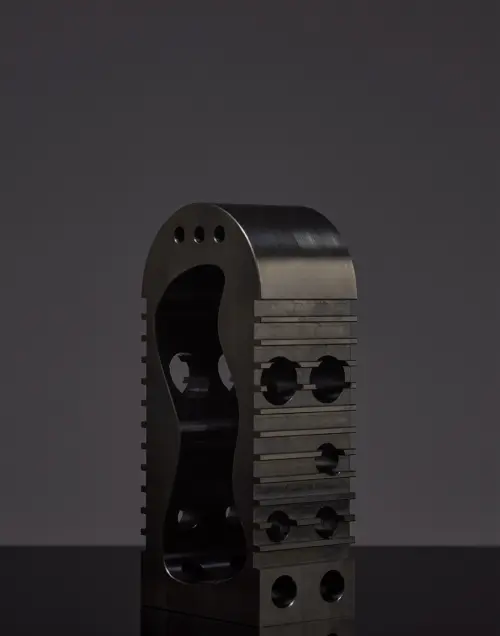
Nous usinons par CNC tous types de pièces, des simples montages « tels qu’usiné » aux géométries complexes. Nos fabricants opèrent quasiment toutes les configurations de centres d’usinage et de tournage CNC, avec électro-érosion et les rectifieuses disponibles sur demande. Protolabs Network (anciennement Hubs) propose des tolérances allant jusqu’à ±0,020 mm et des délais à partir de 5 jours ouvrés.

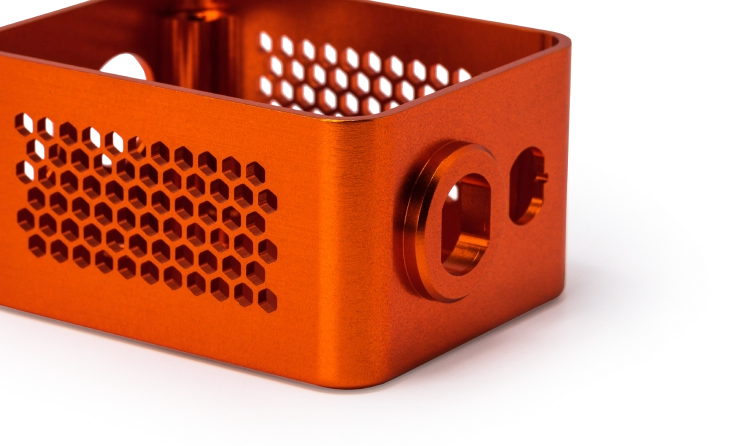
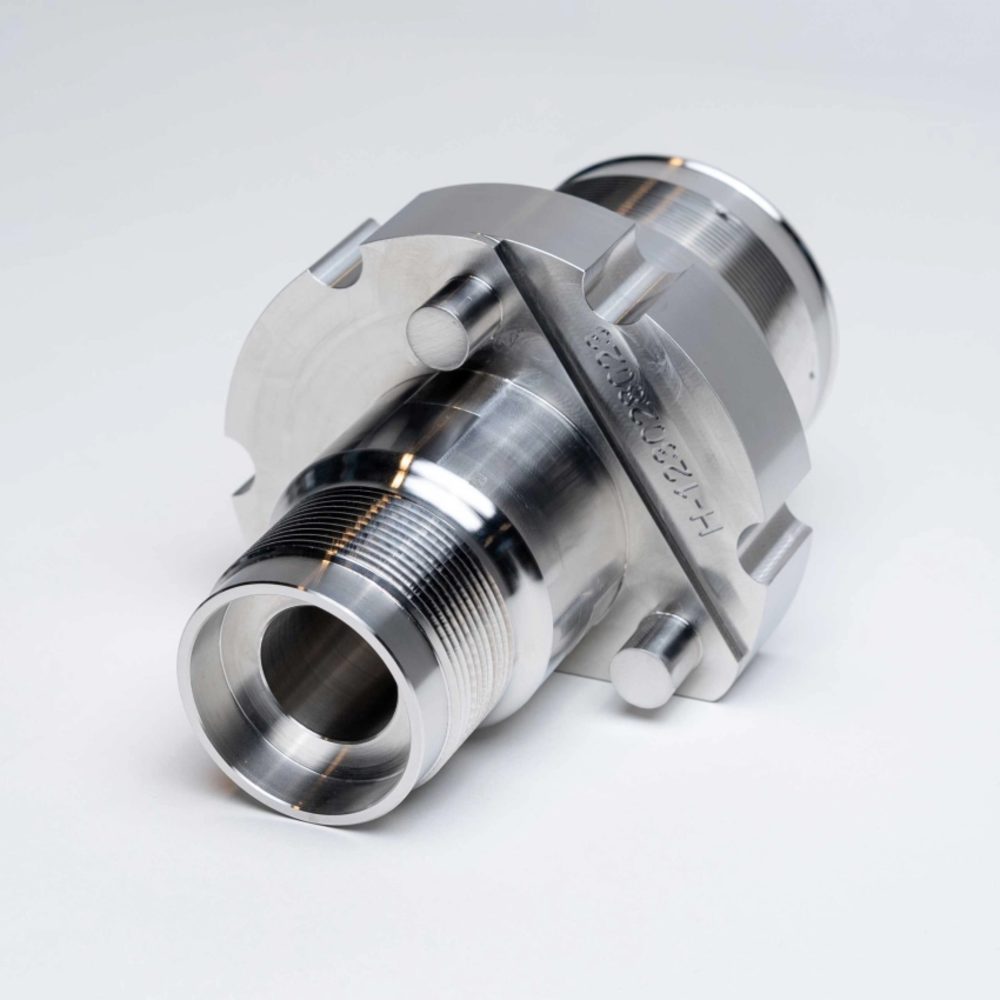
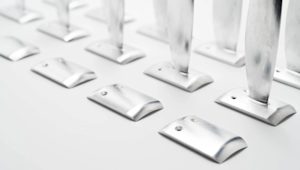
Fraisage CNC 3 et 5 axes Pièce usinée CNC, fraisage CNC, finition de surface anodisée
Fraisage CNC 3 et 5 axes

Notre réseau compte plus de 1000 centres de fraisage, dont des fraises standard à 3 axes, des fraises indexées à 3+2 axes et des fraises à 5 axes entièrement continues.

En savoir plus
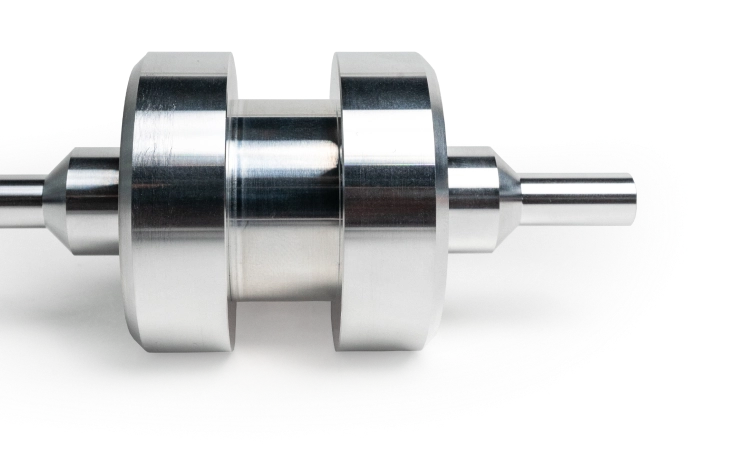
Tournage CNC
Tournage CNC

Notre réseau compte plus de 300 centres de tournage, y compris des tours de type suisse et des tours de fraisage multi-axes.

En savoir plus

Notre processus de commande

Télécharger un fichier CAO
Téléchargez en toute sécurité votre conception de pièce sur notre générateur de devis en ligne.
Confirmer spécifications
Configurez les spécifications de vos pièces et sélectionnez un délai de fabrication qui convient à votre planning.
Obtenir un devis rapide
Téléchargez votre fichier CAD sur notre plateforme de devis en ligne.
Fabrication
Nous sélectionnons le meilleur fabricant pour votre commande et nous lançons la production.
Contrôle de la qualité
Nous assumons l’entière responsabilité de garantir que vos pièces sont fabriquées selon nos normes.
Livraison

Matériaux et finitions de surface disponibles pour l'usinage CNC

Nous proposons des devis instantanés pour plus de 75 métaux et plastiques, dont 24 nouveaux matériaux, ainsi qu'une large gamme de traitements de surface après usinage.

Métaux
Aluminum
Stainless steel
Bronze
Mild steel
Brass
Copper
Alloy steel
Tool steel
Titanium
Inconel
Invar 36
Matières

Aluminum 5251 | EN AW-5251 | 3.3525 | AlMg2Mn0,3 Aluminum 5754 | EN AW-5754 | 3.3535 | AlMg3 EN AW-2007 | 3.1645 Aluminum 7075-T7351 | 3.4365 | 76528 | AlZn5.5MgCu Aluminum 6061-T651 | 3.3211 | 65028 | AlMg1SiCu Aluminum 7075-T651 | 3.4365 | 76528 | AlZn5.5MgCu Aluminum 6082-T651 | 3.2315 | 64430 | AlSi1MgMn Aluminum 6060 | 3.3206 | AlMgSi Aluminum 5052 | EN AW-5052 | 3.3523 | AlMg2,5 Aluminum 2017A | 3.1325 | 24530 | AlCu4MgSi Aluminum 2014 | 3.1255 | 24345 | AlCu4SiMg Aluminum 6063 | EN AW-6063 | 62400| AlMg0,7Si Aluminum 7050 | EN AW-7050 | 3.4144| AlZn6CuMgZr Aluminum 2024-T351 | 3.1355 | 24530 | AlCu4Mg1 Aluminum MIC6 Aluminum 7075-T6 | 3.4365 | 76528 | AlZn5,5MgCu Aluminum 5083-H111 | 3.3547 | 54300| AlMg4.5Mn0.7 Aluminum 6082 | 3.2315 | 64430| AlSi1MgMn Aluminum 6061-T6 | 3.3211| 65028| AlMg1SiCu

Matières

Stainless Steel 420C | 1.4034 | X46Cr13 Stainless Steel 316Ti | 1.4571 | S31635 | X6CrNiMoTi17-12-2 Stainless steel 416 | 1.4005 | X12CrS13 Stainless steel 15-5 | 1.4545 | X5CrNiCu15-5 Stainless steel 301 | 1.4310 | X10CrNi18-8 Stainless steel 430 | 1.4016 | X6Cr17 Stainless steel 440C | 1.4125 | X105CrMo17 Stainless steel 420 | 1.4028 | X30Cr13 Stainless steel 304/304L | 1.4301/1.4307 | X5CrNi18-10/X2CrNi18-9 Stainless steel 2205 Duplex | 1.4462 | 2205 | X2CrNiMoN 22-5-3 Stainless Steel 17-4 PH | 1.4542 | X5CrNiCuNb16-4 - Annealed state Stainless steel 303 | 1.4305 | X8CrNiS18-9 Stainless steel 316/316L | 1.4401/1.4404 | X5CrNiMo17-12-2/X2CrNiMo17-12-2

Matières

Aluminium Bronze 954 | C95400 Bearing Bronze 932 | C93200 | SAE 660 Phosphor Bronze CuSn12 Phosphor Bronze CuSn5 | CW451K Phosphor Bronze CuSn6 | C51900 | CW452K | 2.1020 Phosphor Bronze CuSn8 | C52100 | CW453K | 2.1030

Matières

Carbon Steel C35 | 1.0501 | 1035 Carbon steel C40 | 1.0511 | 1040 | EN8 Mild steel S275JR | 1.0044 | Fe430B | IS2062 Mild Steel S235JR | 1.0038 | Fe 360 B Carbon steel C45 | 1.0503 | 1045 | EN8 Mild steel S355J2 | 1.0577 | 1522H | Fe 510 D Mild steel 1045 | 1.0503 | C45 | EN8 Mild steel A36 | 1.025 | Fe 410 Mild steel 1018 | 1.1147 | C18 |16Mn

Matières

Brass Cz121 | C38500 | 2.0401 | CuZn39Pb3 Brass C360 | 2.0375 | CuZn36Pb3 | 319 grade 2

Matières

Beryllium Copper C17200 | CA172 Copper C101 | CU OFE Copper C110 | CU ETP

Matières

Alloy Steel 1.7227 | 42CrMoS4 Alloy steel 1.7139 | 16MnCrS5 Alloy steel 4130 | 1.7218 | 25CrMo4 Alloy steel 1.6580 | 30CrNiMo8 Alloy steel 1.6582 | 34CrNiMo6 Alloy steel 1.7131 | 16MnCr5 Alloy steel 1215 | EN1A | 1.0715 Alloy steel 4340 | 1.6511 | 36CrNiMo4 | EN24 Alloy steel 4140 | 1.7225 | EN19 | 42CrMo4

Matières

Tool Steel 1.2083 | X40Cr14 - Annealed State Tool Steel P20 | 1.2312 | 40CrMnMoS8-6 - Quench and Tempered Tool Steel O2 | 1.2842 | 90MnCrV8 - Annealed State Tool steel A3 - Annealed state Tool steel H13 | 1.2344 | X40CrMoV5-1 - Annealed state Tool steel S7 | 1.2355 | 50CrMoV13-15 - Annealed state Tool steel O1 | 1.2510 | 100MnCrW4 - Annealed state Tool steel A2 | 1.2363 | X100CrMoV5-1- Annealed state Tool steel D2 | 1.2379 | X153CrMoV12-1 - Annealed state

Matières

Titanium Grade 5 | 3.7164 | Ti6Al4V Titanium Grade 2 | 3.7035 Titanium Grade 1 | 3.7025

Matières

Inconel 625 | N06625 Inconel 718

Matières

Invar 36

Description
Aluminum 5251 | EN AW-5251 | 3.3525 | AlMg2Mn0,3
Aluminum 5251 is a non-heat-treatable Al‑Mg alloy with good corrosion resistance (incl. marine), very good formability, and excellent weldability; moderate strength; compliant with EN AW‑5251.
En savoir plus
Aluminum 5754 | EN AW-5754 | 3.3535 | AlMg3
Aluminum 5754 is a non-heat-treatable Al‑Mg alloy with excellent corrosion resistance and weldability, good formability, and moderate strength; compliant with EN AW-5754.
En savoir plus
EN AW-2007 | 3.1645
2000‑series wrought aluminum alloy primarily alloyed with copper and lead, designed for excellent machinability and relatively high mechanical strength.
En savoir plus
Aluminum 7075-T7351 | 3.4365 | 76528 | AlZn5.5MgCu
Aluminum 7075-T7351 is commonly used in aerospace and defense applications, as well as automotive and transportation, as it is valued for its high strength, excellent machinability and good fatigue resistance. The "T7351" designation indicates that the material has been heat-treated to a specific level of hardness.
En savoir plus
Aluminum 6061-T651 | 3.3211 | 65028 | AlMg1SiCu
Aluminum 6061-T651 is commonly used in aerospace, automotive and construction industry, as it is valued for its high strength, excellent machinability, and good weldability. The "T651" designation indicates that the material has been heat-treated to a specific level of hardness.
En savoir plus
Aluminum 7075-T651 | 3.4365 | 76528 | AlZn5.5MgCu
Aluminum 7075-T651(CNC) is an aerospace-grade material with excellent strength-to-weight ratio and strength and hardness comparable to steels. T651 is the temper of Aluminum 7075, and to achieve this temper, the alloy is solution heat-treated, stress relieved, and then artificially aged.
En savoir plus
Aluminum 6082-T651 | 3.2315 | 64430 | AlSi1MgMn
Aluminum 6082-T651 (CNC) has very similar composition and properties to 6061, with slightly higher tensile strength. Compliant with British Standards.
En savoir plus
Aluminum 6060 | 3.3206 | AlMgSi
Alloy 6060 offers good strength, relatively good corrosion resistance and is suitable for decorative anodizing.
En savoir plus
Aluminum 5052 | EN AW-5052 | 3.3523 | AlMg2,5
Aluminum 5052 is a strain hardening aluminum alloy with excellent corrosion resistance. Suitable for marine applications. Can be welded.
En savoir plus
Aluminum 2017A | 3.1325 | 24530 | AlCu4MgSi
Aluminum 2017 has a higher ductility and formability than Aluminum 2014 and has intermediate strength.
En savoir plus
Aluminum 2014 | 3.1255 | 24345 | AlCu4SiMg
Aluminum 2014 is easily machined and can be hardened to get strengths comparable to steel, but is prone to corrosion. Suitable for aerospace applications.
En savoir plus
Aluminum 6063 | EN AW-6063 | 62400| AlMg0,7Si
Aluminum 6063 has good mechanical properties and can be heat treated. Suitable for aerospace applications. Can be welded.
En savoir plus
Aluminum 7050 | EN AW-7050 | 3.4144| AlZn6CuMgZr
Aluminum 7050 has excellent mechanical properties with good ductility, high strength, toughness and good resistance to fatigue. Suitable for aerospace applications.
En savoir plus
Aluminum 2024-T351 | 3.1355 | 24530 | AlCu4Mg1
Aluminum 2024 is a high-strength alloy with excellent fatigue resistance. Suitable for aerospace applications.
En savoir plus
Aluminum MIC6
Aluminum MIC6 is a light weight material that can be easily machined at high speed and is free from tension, contaminants and porosity.
En savoir plus
Aluminum 7075-T6 | 3.4365 | 76528 | AlZn5,5MgCu
Aluminum 7075-T6 (CNC) is an aerospace-grade material with excellent strength-to-weight ratio and strength and hardness comparable to steels.
En savoir plus
Aluminum 5083-H111 | 3.3547 | 54300| AlMg4.5Mn0.7
Aluminum 5083 (CNC) is a strain hardening aluminum alloy with excellent corrosion resistance. Suitable for marine applications. Can be welded.
En savoir plus
Aluminum 6082 | 3.2315 | 64430| AlSi1MgMn
Aluminum 6082 (CNC) has very similar composition and properties to 6061, with slightly higher tensile strength. Compliant with British Standards.
En savoir plus
Aluminum 6061-T6 | 3.3211| 65028| AlMg1SiCu
Aluminum 6061 (CNC) is the most popular aluminum alloy. It has good strength-to-weight ratio, excellent machinability and natural corrosion resistance.
En savoir plus
Stainless Steel 420C | 1.4034 | X46Cr13
420C is a high-carbon martensitic stainless steel known for its excellent hardness and wear resistance, making it suitable for applications like cutting tools, surgical instruments, and bearings.
En savoir plus
Stainless Steel 316Ti | 1.4571 | S31635 | X6CrNiMoTi17-12-2
Stainless Steel 316Ti is a Ti‑stabilized 316 variant with improved resistance to sensitization and high‑temperature service; excellent corrosion resistance in marine/chloride environments; good weldability; moderate machinability; compliant with EN 1.4571/ASTM 316Ti.
En savoir plus
Stainless steel 416 | 1.4005 | X12CrS13
Stainless steel 416 is magnetic and has a high machinability.
En savoir plus
Stainless steel 15-5 | 1.4545 | X5CrNiCu15-5
Stainless steel 15-5 has a higher toughness than 17-4, better corrosion resistance and transverse properties compared to other similar martensitic grades.
En savoir plus
Stainless steel 301 | 1.4310 | X10CrNi18-8
Stainless steel 301 is corrosion resistant similar to Stainless steel 304.
En savoir plus
Stainless steel 430 | 1.4016 | X6Cr17
Stainless steel 430 is magnetic and corrosion resistant.
En savoir plus
Stainless steel 440C | 1.4125 | X105CrMo17
Stainless steel 440C has improved toughness and corrosion resistance due to Carbon and Chromium content.
En savoir plus
Stainless steel 420 | 1.4028 | X30Cr13
Stainless steel 420 provides high strength and corrosion resistance. It is the hardest of all stainless steels when hardened.
En savoir plus
Stainless steel 304/304L | 1.4301/1.4307 | X5CrNi18-10/X2CrNi18-9
Stainless steel 304L (CNC) has excellent mechanical properties and good machinability. Resistant to most environments and corrosive media.
En savoir plus
Stainless steel 2205 Duplex | 1.4462 | 2205 | X2CrNiMoN 22-5-3
Stainless steel 2205 Duplex (CNC) is the alloy with the highest strength and hardness. Suitable for applications in severe environments up to 300°C.
En savoir plus
Stainless Steel 17-4 PH | 1.4542 | X5CrNiCuNb16-4 - Annealed state
Stainless steel 17-4 (CNC) - SAE grade 630 - is a precipitation hardening alloy with good corrosion resistance. Can be hardened up to 44 HRC.
En savoir plus
Stainless steel 303 | 1.4305 | X8CrNiS18-9
Stainless steel 303 (CNC) has excellent toughness, but lower corrosion resistance than 304. Ideal for high volumes, due to its excellent machinability.
En savoir plus
Stainless steel 316/316L | 1.4401/1.4404 | X5CrNiMo17-12-2/X2CrNiMo17-12-2
Stainless steel 316L (CNC) has similar mechanical properties to 304, with higher corrosion and chemical resistance. Ideal for marine applications.
En savoir plus
Aluminium Bronze 954 | C95400
Aluminum bronze alloy known for its high strength and corrosion resistance, making it suitable for marine, aerospace, and industrial applications.
En savoir plus
Bearing Bronze 932 | C93200 | SAE 660
High-lead tin bronze alloy known for its excellent machinability and good wear resistance, making it ideal for bushings, bearings, and thrust washers.
En savoir plus
Phosphor Bronze CuSn12
Bronze alloy with approximately 12% tin, known for its excellent wear resistance and corrosion resistance, making it ideal for bearings, bushings, and gears.
En savoir plus
Phosphor Bronze CuSn5 | CW451K
510 Phosphor Bronze is an alloy known for its excellent corrosion resistance, high fatigue strength, and good electrical conductivity, making it suitable for electrical connectors, springs, and bearings.
En savoir plus
Phosphor Bronze CuSn6 | C51900 | CW452K | 2.1020
Copper-tin alloy, commonly known as phosphor bronze, which offers excellent corrosion resistance, high fatigue strength, and good wear resistance.
En savoir plus
Phosphor Bronze CuSn8 | C52100 | CW453K | 2.1030
High-performance bronze alloy, consisting of approximately 92% copper and 8% tin, known for its excellent wear resistance and high strength.
En savoir plus
Carbon Steel C35 | 1.0501 | 1035
Medium‑carbon steel for shafts and general engineering; can be normalized or quenched and tempered.
En savoir plus
Carbon steel C40 | 1.0511 | 1040 | EN8
Medium‑carbon steel for higher‑strength shafts, axles, and bolts. Suitable for quenching & tempering.
En savoir plus
Mild steel S275JR | 1.0044 | Fe430B | IS2062
As a low carbon steel specifications S275 provides low strength with good machinability and is suitable for welding
En savoir plus
Mild Steel S235JR | 1.0038 | Fe 360 B
S235JR is a hot rolled non-alloy structural steel. It has good plasticity, toughness and weldability, certain strength and good cold bending properties.
En savoir plus
Carbon steel C45 | 1.0503 | 1045 | EN8
C45 has low thermal conductivity and low ductility among wrought carbon steels.
En savoir plus
Mild steel S355J2 | 1.0577 | 1522H | Fe 510 D
S355J2 has a high tensile strength. Compared to other carbon steels, it has high electrical conductivity but low thermal conductivity and low ductility.
En savoir plus
Mild steel 1045 | 1.0503 | C45 | EN8
Mild steel 1045 (CNC) is a medium carbon steel with good weldability and machinability, high strength and good impact resistance. Susceptible to corrosion.
En savoir plus
Mild steel A36 | 1.025 | Fe 410
Mild steel A36 (CNC) is a common structural steel with good weldability. Suitable for a variety of industrial applications. Susceptible to corrosion.
En savoir plus
Mild steel 1018 | 1.1147 | C18 |16Mn
Mild steel 1018 (CNC) is a general-use alloy with good machinability, weldability, toughness, strength. Susceptible to corrosion.
En savoir plus
Brass Cz121 | C38500 | 2.0401 | CuZn39Pb3
Brass Cz121/C360 (CNC) is a highly machinable alloy with good tensile strength and natural corrosion resistance. Ideal for parts that require low friction.
En savoir plus
Brass C360 | 2.0375 | CuZn36Pb3 | 319 grade 2
Brass C360 (CNC) is highly machinable alloy with good tensile strength and natural corrosion resistance. Ideal for parts that require low friction.
En savoir plus
Beryllium Copper C17200 | CA172
Precipitation‑hardening beryllium‑copper alloy offering very high strength, good conductivity, and excellent fatigue/wear resistance, commonly used for springs, electrical contacts, and non‑sparking tools. Short safety note: machining can generate toxic beryllium dust — use proper controls.
En savoir plus
Copper C101 | CU OFE
Copper (C101), 99.99% pure, is a copper alloy with excellent conductivity and high corrosion resistance and toughness.
En savoir plus
Copper C110 | CU ETP
Copper (C110) is a pure at 99.90% copper alloy, with universal for electrical applications high thermal conductivity and good corrosion resistance.
En savoir plus
Alloy Steel 1.7227 | 42CrMoS4
Alloy Steel 1.7227 (CNC) offers high strength and toughness after heat treatment with improved machinability. Ideal for heavily loaded parts.
En savoir plus
Alloy steel 1.7139 | 16MnCrS5
Alloy steel 1.7139 is a resulfurized case-hardening steel with very good machinability. Designed for carburizing to achieve a hard, wear-resistant surface with a tough core.
En savoir plus
Alloy steel 4130 | 1.7218 | 25CrMo4
Low‑alloy 1.7218 Cr‑Mo steel is suitable for tubes, pressure parts, and Q&T components.
En savoir plus
Alloy steel 1.6580 | 30CrNiMo8
High‑strength Ni‑Cr‑Mo steel for heavy‑duty shafts/gears. Typically quenched and tempered.
En savoir plus
Alloy steel 1.6582 | 34CrNiMo6
Widely used Ni‑Cr‑Mo steel with high toughness and fatigue strength.
En savoir plus
Alloy steel 1.7131 | 16MnCr5
Steel 1.7131 has a high surface hardness and wear resistance with good machinability.
En savoir plus
Alloy steel 1215 | EN1A | 1.0715
Alloy steel 1215 is a low tensile, low harden-ability carbon steel. Can be machined at higher speeds.
En savoir plus
Alloy steel 4340 | 1.6511 | 36CrNiMo4 | EN24
Alloy steel 4340 (CNC) can be heat treated to high strength, while maintaining good toughness, wear resistance and fatigue strength. Weldable.
En savoir plus
Alloy steel 4140 | 1.7225 | EN19 | 42CrMo4
Alloy steel 4140 (CNC) has good overall properties, with good strength and toughness. Suitable for many industrial applications. Not weldable.
En savoir plus
Tool Steel 1.2083 | X40Cr14 - Annealed State
1.2083 is a high chromium stainless steel known for its excellent corrosion resistance and polishability, making it ideal for plastic mold applications, especially when producing optical components.
En savoir plus
Tool Steel P20 | 1.2312 | 40CrMnMoS8-6 - Quench and Tempered
P20 tool steel (1.2312, P20): mold steel with sulfur for better machinability; good polishability and stability; common for injection molds; moderate weldability.
En savoir plus
Tool Steel O2 | 1.2842 | 90MnCrV8 - Annealed State
Oil‑hardening cold‑work tool steel with good wear resistance and dimensional stability.
En savoir plus
Tool steel A3 - Annealed state
Tool steel A3 is an air-hardened general purpose tool steel with good toughness and excellent dimensional stability. Used for molding dies.
En savoir plus
Tool steel H13 | 1.2344 | X40CrMoV5-1 - Annealed state
Tool steel H13 has an excellent combination of high toughness and fatigure resistance. It is the most common tool steel used in tooling applications.
En savoir plus
Tool steel S7 | 1.2355 | 50CrMoV13-15 - Annealed state
Tool steel s7 has very high impact properties. Suitable for tool and die application..
En savoir plus
Tool steel O1 | 1.2510 | 100MnCrW4 - Annealed state
Tool steel O1 (CNC) is an oil-hardened alloy with a high hardness of 65 HRC. Used for industrial knives and cutting tools.
En savoir plus
Tool steel A2 | 1.2363 | X100CrMoV5-1- Annealed state
Tool steel A2 (CNC) is an air-hardened general purpose tool steel with good toughness and excellent dimensional stability. Used for molding dies.
En savoir plus
Tool steel D2 | 1.2379 | X153CrMoV12-1 - Annealed state
Tool steel D2 (CNC) is a wear-resistant alloy that retains its hardness to a temperature of 425 °C. Used for cutting tools and dies.
En savoir plus
Titanium Grade 5 | 3.7164 | Ti6Al4V
Stronger than Grade 2, equally corrosion-resistant, and excellent bio-compatibility.
En savoir plus
Titanium Grade 2 | 3.7035
Stronger than Grade 1 and equally corrosion-resistant, excellent bio-compatibility.
En savoir plus
Titanium Grade 1 | 3.7025
Titanium Grade 1 (CNC) is a commercially pure metal with excellent corrosion and impact resistance and good machinability and weldability.
En savoir plus
Inconel 625 | N06625
Inconel 625 is a nickel-based superalloy known for its high strength, excellent corrosion resistance, and ability to withstand extreme temperatures, making it ideal for aerospace, marine, and chemical processing applications.
En savoir plus
Inconel 718
Inconel 718 is a high-strength, corrosion-resistant nickel alloy.
En savoir plus
Invar 36
INVAR 36 is a nickel alloy with a very low coefficient of thermal expansion.
En savoir plus
Plastiques
POM (Delrin/Acetal)
Nylon
PPSU
ABS
PEEK
PTFE (Teflon)
Polycarbonate
Polyethylene
PVC
PMMA (Acrylic)
PET
Polypropylene
G-10
FR4
PEI
Matières

Acetal Copolymer (POM-C) FDA Acetal Copolymer (POM-C) ESD Acetal Copolymer (POM-C) Acetal Homopolymer (POM-H)

Matières

Nylon 6 Flame Retardant Nylon 6/6 30% Glass Filled Nylon 6 30% Glass Filled Nylon 6

Matières

PPSU | UL94 V-0

Matières

ABS

Matières

PEEK 30% Glass Filled PEEK

Matières

PTFE

Matières

PC

Matières

UHMW-PE HDPE

Matières

Matières

PMMA (Acrylic)

Matières

PET

Matières

PP Homopolymer PP+GF(30%) PP

Matières

Garolite G-10

Matières

FR4

Matières

PEI Ultem 1000 PEI Ultem 2300 30% Glass Filled

Description
Acetal Copolymer (POM-C) FDA
Acetal is an engineering thermoplastic used in precision parts requiring high stiffness, low friction and excellent dimensional stability
En savoir plus
Acetal Copolymer (POM-C) ESD
Semicrystalline engineering plastic, permanently antistatic for varied applications in electronics, clean rooms and safety areas.
En savoir plus
Acetal Copolymer (POM-C)
Acetal (POM-C) is the easiest to machine engineering plastic. Ideal for parts with high stiffness, low friction and very low water absorption.
En savoir plus
Acetal Homopolymer (POM-H)
Delrin (POM-H) is the easiest to machine engineering plastic. Ideal for parts with high stiffness, low friction and very low water absorption.
En savoir plus
Nylon 6 Flame Retardant
PA 6 FR possesses a high degree of stiffness, tensile strength as well as good sliding and wear properties with simultaneously outstanding corrosion and chemical resistance.
En savoir plus
Nylon 6/6 30% Glass Filled
This grade has been re-enforced with glass fibres - and the composite inherits good strength, hardness and abrasion resistance from the 30% glass filler, and tough and lightweight properties of the plastic.
En savoir plus
Nylon 6 30% Glass Filled
Glass-reinforced nylon has higher tensile strength than un-reinforced nylon while still benifitting from its flexibility. Very tough.
En savoir plus
Nylon 6
Nylon 6 (CNC) - PA 6 - has excellent mechanical properties, with high toughness and hardness. Susceptible to moisture absorption.
En savoir plus
PPSU | UL94 V-0
PPSU offers hydrolytic stability, toughness and superior impact strength over a wide temperature range.
En savoir plus
ABS
ABS (CNC) has good mechanical properties and excellent impact resistance. It is commonly used to prototype parts prior to injection-molding.
En savoir plus
PEEK 30% Glass Filled
High‑temperature, chemical‑resistant thermoplastic. Glass fiber raises stiffness and heat deflection.
En savoir plus
PEEK
PEEK (CNC) is an engineering thermoplastic with excellent mechanical and thermal properties. Can be used to replace metal parts. Biocompatible.
En savoir plus
PTFE
Teflon (CNC) - PTFE - has excellent thermal and chemical resistance and outstanding frictional and electrical properties.
En savoir plus
PC
Polycarbonate (CNC) has excellent impact strength and good temperature resistance. Suitable for outdoor applications. Can be colored or semi-transparent.
En savoir plus
UHMW-PE
High density polyethylene is very tough due to its long chain structure and has the highest impact strength of any thermoplastic.
En savoir plus
HDPE
HDPE (CNC) is a lightweight and strong thermoplastic, suitable for outdoor applciations. Commonly used for prototypes before Injection Molding.
En savoir plus
PMMA (Acrylic)
PMMA is a translucent rigid plastic, often used as a substitute for glass and when high transparency is needed, a high polishing process can be done to achieve this.
En savoir plus
PET
PET is a tough plastic that offers excellent wear resistance and mechanical strength.
En savoir plus
PP Homopolymer
PP-H offers a high strength to weight ratio and is stiffer and stronger than copolymer, this combined with good chemical resistance and weldability allows this material to be used in many corrosion resistant structures.
En savoir plus
PP+GF(30%)
Reinforced polypropylene with glass fiber for improved tensile strength.
En savoir plus
PP
Polyproplene has similar properties to polyethylene but is harder and more heat resistant.
En savoir plus
Garolite G-10
Garolite G-10 is a high pressure fiberglass laminate known for its high strength, low moisture absorption, and high electrical insulation.
En savoir plus
FR4
FR4 is a class of glass fiber epoxy laminate that is flame retardant.
En savoir plus
PEI Ultem 1000
High performance engineering thermoplastic polymer, with excellent durability, strength, stiffness and heat resistance (UL94-V0).
En savoir plus
PEI Ultem 2300 30% Glass Filled
30% glass fibre reinforced amorphous engineering thermoplastic, with very high rigidity and strength for demanding applications
En savoir plus
Finitions
Anodized type III (Hardcoat) Non cosmetic
As machined + Anodized type II Non cosmetic
As machined + Anodized type III (Hardcoat) Non cosmetic
Bead blasted Cosmetic on request
Bead Blasted + Anodized type II (Glossy) Cosmetic on request
Bead blasted + Anodized type II (Matte) Cosmetic on request
Bead Blasted + Anodized type III (Hardcoat) Cosmetic on request
Bead Blasted + Chromate Conversion Coating Cosmetic on request
Black oxide Non cosmetic
Brushed + Anodized type II (Glossy) Cosmetic on request
Chromate Conversion Coating Non cosmetic
Electroless Nickel Plating Non cosmetic
Powder coated Non cosmetic
Description
Anodized type III (Hardcoat)
Parts are cut and an anodizing type III coating is directly applied to the surface. Ideal to improve corrosion and wear resistance of components.
As machined + Anodized type II
Parts are anodized (type II) directly after machining. The most cost-effective anodizing option; ideal for non-cosmetic, functional parts. Used to improve wear and corrosion resistance.
En savoir plus
As machined + Anodized type III (Hardcoat)
Parts are machined and an anodizing type III coating is directly applied to the surface. Ideal to improve corrosion and wear resistance of components.
En savoir plus
Bead blasted
Parts are bead blasted with glass beads which results in a grainy texture and reduced machining marks.
En savoir plus
Bead Blasted + Anodized type II (Glossy)
Parts are bead blasted, anodized type II and bright dipped. Results in glossy color. Ideal for cosmetic parts needing an increase in corrosion resistance.
En savoir plus
Bead blasted + Anodized type II (Matte)
Parts are bead blasted and anodized type II. Ideal for increasing the corrosion resistance of the part. Results in naturally matte colors. For glossy colors, please select the bead blasted + glossy anodizing option.
En savoir plus
Bead Blasted + Anodized type III (Hardcoat)
Parts are bead blasted (grit #120) and anodized type III. Ideal to improve corrosion and wear resistance of components. Results in naturally matte colors. Colors available are black and clear.
Bead Blasted + Chromate Conversion Coating
Parts are bead blasted (grit #120) and a chromate conversion coating is applied. Ideal to increase the corrosion resistance of the part while maintaining its conductive properties. RoHS compliant.
Black oxide
Applicable on steels, black oxide is a conversion coating used to improve corrosion resistance and minimize light reflection.
Brushed + Anodized type II (Glossy)
Parts are manually brushed with fine sandpaper to attenuate the machining marks and then anodized. Ideal for increasing the corrosion resistance of the part. Typically results in a glossy aspect.
En savoir plus
Chromate Conversion Coating
Parts are machined and a chromate conversion coating is applied. Ideal to increase the corrosion resistance of the part while maintaining its conductive properties. RoHS compliant.
En savoir plus
Electroless Nickel Plating
Parts are machined to Ra1.6µm and electroless nickel plated. Ideal for wear abrasion and corrosion resistance, not for cosmetic purposes.
En savoir plus
Powder coated
Powder coating is a strong, wear-resistant finish that is compatible with all metal materials.
En savoir plus
Rugosité
As machined (Ra 3.2μm / Ra 126μin) Non cosmetic
Brushed (Ra 1.2μm / Ra 47μin) Cosmetic on request
Fine machining (Ra 0.8μm / Ra 32μin) Non cosmetic
Polishing (Ra 0.8μm / Ra 32μin) Cosmetic
Smooth machining (Ra 1.6μm / Ra 63μin) Non cosmetic
Description
As machined (Ra 3.2μm / Ra 126μin)
This is our standard finish. Parts are machined and deburred, sharp edges are chamfered.
En savoir plus
Brushed (Ra 1.2μm / Ra 47μin)
Parts are brushed manually with #400 - 600 grit sandpaper in order to reduce machining marks. Ideal to slightly reduce the roughness of the finish.
En savoir plus
Fine machining (Ra 0.8μm / Ra 32μin)
Finer-looking machining obtained either through higher-precision machines, lower feeds, sharper tools, or a combination of all the above. Machining marks are less evident.
En savoir plus
Polishing (Ra 0.8μm / Ra 32μin)
Parts are manually polished in multiple directions. Surface is smooth and slightly reflective.
En savoir plus
Smooth machining (Ra 1.6μm / Ra 63μin)
Smooth machining is like an ‘As machined’ finish but with slightly less evident machine marks. Parts are machined at a lower feed, no hand polishing is applied.
En savoir plus
Nous pouvons vous procurer tout autre matériau sur demande, mais les devis peuvent prendre jusqu'à 48 heures.

Tolerances and dimensions

Maximum part size

Process Maximum size (L × W × H)
3-axis CNC milling (soft metals) 2000 × 1500 × 200 mm
3-axis CNC milling (hard metals) 1200 × 800 × 500 mm
5-axis CNC milling 2000 × 1500 × 200 mm
CNC turning (lathe) Ø431 × 990 mm

Tolerances

We can meet standard ISO tolerance requirements, with tighter tolerances available upon request, and manufacture parts in compliance with recognized industry standards, including:

  • Aerospace: ISO 1101, AS9100

  • Automotive: ISO 16792

  • Medical: ISO 13485


Une qualité constante, à chaque commande


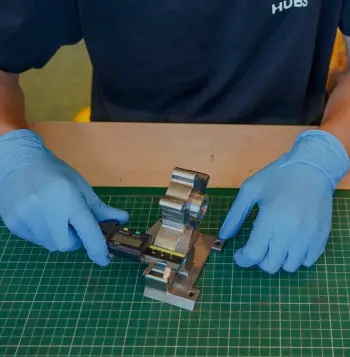
Protolabs Network garantit la qualité de chaque pièce traitée dans le réseau. Outre le contrôle minutieux des partenaires de fabrication avec lesquels nous travaillons, chaque commande fait l’objet d’un contrôle dimensionnel et visuel conformément à la norme Protolabs Network. Les commandes fabriquées dans le monde entier font également l’objet d’une seconde inspection à nos plateformes de correspondance d’Amsterdam ou de Chicago.

Prix instantanés Instant quote icon
Prix instantanés

Obtenez des devis instantanés avec toutes les informations tarifaires à l’avance.

En savoir plus
La norme Protolabs Network Dimensions icon
La norme Protolabs Network

Nous utilisons un ensemble rigoureux de protocoles et de procédures pour maintenir la qualité.

En savoir plus
Réseau spécialisé Network illustration
Réseau spécialisé

Accédez à des capacités de pointe et illimitées.

En savoir plus

Fabriqué via Protolabs Network

Production à grande échelle

Notre équipe d'experts gérera l'ensemble du processus afin d'optimiser le coût, la quantité et le contrôle de la qualité des pièces d'utilisation finale. Pour en savoir plus sur la fabrication de volumes rentables, notre engagement en matière de qualité et nos capacités élargies pour vous aider à lancer la production.

Plus sur la production
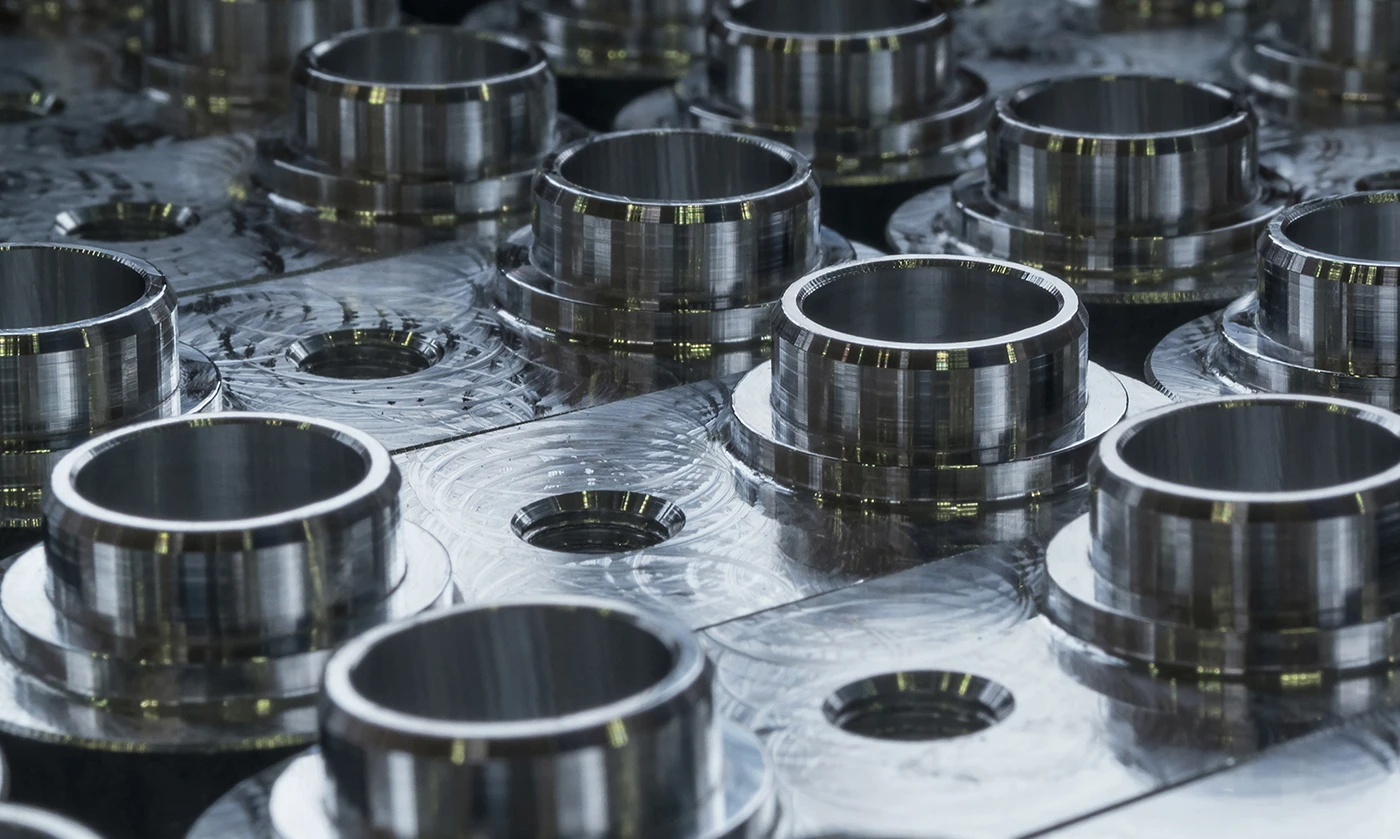
Notre réseau distribué d’ateliers d’usinage CNC

Nous vous offrons la capacité et les compétences de dizaines d’ateliers d’usinage locaux et internationaux, avec la facilité de traiter avec un seul. Vous bénéficiez de l’expérience et de la spécialisation de tous nos ateliers partenaires, nous nous chargeons de toutes les communications, de la livraison, du contrôle de la qualité et des douanes.

Industries spécialisées

Nous avons fabriqué des millions de pièces pour toutes sortes d’applications et notre savoir-faire est particulièrement adapté à ces domaines.

Aéronautique et aérospatial

Pièces aérodynamiques pour avions, drones, satellites et fusées avec certification AS 9100.

En savoir plus

Industrie médicale Image representing medical industry
Industrie médicale

Créer des dispositifs médicaux et des équipements de diagnostic sur mesure afin d’introduire les innovations en matière de soins de santé dans les hôpitaux et les foyers.

En savoir plus

Automobile
Automobile

Développement accéléré des véhicules électriques et d’autres innovations automobiles.

En savoir plus

Robotique et automatisation Image representing robotics industry
Robotique et automatisation

Produire des systèmes robotiques complexes, des effecteurs et des machines automatisées pour cette industrie innovante.

En savoir plus

Comment Hubs se situe par rapport aux ateliers d’usinage CNC traditionnels


Nous utilisons l’automatisation pour rendre l’usinage sur mesure plus facile,
plus rapide et plus abordable que les ateliers d’usinage traditionnels :

  • Nous disposons d’un large éventail d’outils, bien plus que la plupart des ateliers individuels.

  • Nos devis sont générés instantanément. Vous pouvez demander autant de devis que vous avez besoin.

  • Pas de coûts cachés. Tous les coûts sont inclus dans nos devis et nous nous engageons à toujours respecter les prix indiqués.

  • Aucune limite de taille de commande. Nous évoluons avec vous : des prototypes uniques aux millions de pièces de production.

  • Nous exploitons les ressources du marché de notre réseau pour garantir des prix compétitifs pour chaque commande.

Hone Shaving : fabrication de produits de rasage de haute qualité

Andrew Mitchell, fondateur de Hone Shaving, explique comment il a utilisé Protolabs Network pour créer ses rasoirs uniques de haute qualité. Regardez la vidéo !

Watch it here

FAQ

Quelles normes de tolérance garantissez-vous ?

Nous garantissons que nos partenaires de fabrication suivent les normes ISO 2768 pour toutes les pièces usinées par CNC. Les pièces usinées en métal seront conformes à la norme ISO 2768-m (moyenne) ou ISO 2768-f (fine). Les pièces usinées en plastique sont conformes à la norme 2768-m (moyenne). Des tolérances géométriques allant jusqu’à ± 0,010 mm sont possibles, mais doivent être clairement indiquées dans les dessins techniques. Nous pouvons obtenir des tolérances plus serrées sur les arbres avec des ajustements jusqu’à H7 avec une cotation manuelle et parfois plus serrées.

Pour en savoir plus sur la façon de préparer un dessin technique, cliquez ici.

Quelles sont les dimensions minimales et maximales que vous pouvez usiner ?

Chez Protolabs Network, nous proposons le fraisage CNC (3 axes, 3+2 axes et 5 axes) et le tournage. Pour le fraisage CNC 3/3+2 axes, les pièces peuvent être usinées jusqu’à 2 000 x 1 500 x 200 mm. Pour le fraisage 5 axes, la taille maximale de la pièce est de 650 x 650 x 300 mm. Le diamètre maximal pour le tournage CNC est de 431 mm, la longueur de 990 mm. Les dimensions minimales recommandées pour les pièces sont d’environ 10 x 10 x 10 mm. Le minimum pour les dimensions des caractéristiques est de 0,5 mm. 

La taille maximale est de 1 000 mm pour les pièces sur notre plateforme. Si vous avez besoin de dimensions supérieures, vous pouvez en faire la demande auprès de votre gestionnaire de compte.

Quelles normes cosmétiques garantissez-vous ?

L’ébavurage et le cassage des arêtes sont des procédures standard pour toutes les pièces usinées à commande numérique. S’il y a des bords critiques qui doivent être laissés nets, ils doivent être clairement indiqués dans les dessins techniques. Les surfaces seront exemptes de défauts tels que des rayures, des bosses, des taches, des imperfections, des marques d’accrochage, des défauts mineurs. Les surfaces indiquées comme critiques (côté primaire (a), comme indiqué sur le dessin technique) seront exemptes de stries de fraisage et autres marques. Pour la face secondaire (b), des marques de suspension mineures et jusqu’à 2 défauts mineurs sont acceptables. Un certain nombre de méthodes de post-traitement et de finition peuvent être appliquées pour améliorer la rugosité de surface, les propriétés visuelles et la résistance à l’usure des pièces usinées.

En savoir plus sur les finitions de surface pour l’usinage CNC. 

Combien coûtent vos services d’usinage CNC ?

Nous utilisons des algorithmes d’apprentissage automatique pour calculer le coût exact de toute pièce usinable directement à partir d’un fichier CAO, sur la base de millions de commandes d’usinage CNC que nous avons traitées précédemment. Plus besoin d’attendre que les techniciens vous répondent par e-mail, nous pouvons générer un devis exact pour vous instantanément (enfin, en 5 secondes environ).

Ainsi, vous connaissez toujours le prix dès le départ. Téléchargez simplement un fichier CAO pour générer un devis : obtenez un devis d’usinage CNC instantané. Nos devis sont entièrement gratuits, il vous suffit de créer un compte pour que nous puissions protéger votre propriété intellectuelle.

Il est si facile à utiliser que nous encourageons les ingénieurs en mécanique à l’utiliser constamment pour optimiser leurs conceptions en termes de coûts. Chaque fois que vous avez réalisé une nouvelle itération de conception, il vous suffit de charger l’ancienne et la nouvelle conception dans notre outil de devis et de voir si le prix est différent.

Grâce à cette technologie, nos partenaires fabricants n’ont pas non plus besoin d’établir leurs propres devis d’usinage, ce qui leur permet de réduire leurs frais généraux. L’ensemble du processus est donc moins coûteux, ce qui se traduit par des prix plus bas pour nos clients.

Comment réduire le coût de mes pièces usinées ?

Les principaux coûts associés à l’usinage CNC peuvent être regroupés en temps d’usinage, coûts de démarrage, coûts des matériaux et coûts des fonctions. Pour réduire les coûts, vous devez comprendre l’impact de ces facteurs sur le coût.

La meilleure façon de réduire le temps d’usinage est de concevoir des caractéristiques qui peuvent être usinées rapidement, par exemple en choisissant les bons rayons pour les angles internes, en réduisant la profondeur des cavités, en augmentant l’épaisseur des parois, en limitant la longueur des filets et en concevant des trous de taille standard.

Les coûts des matériaux peuvent être réduits en tenant compte de la taille de l’ébauche requise, ainsi que du coût et de l’usinabilité du matériau en vrac (les alliages plus tendres sont plus rapides à usiner).

Les coûts de démarrage peuvent être réduits en diminuant le nombre de rotations ou de repositionnements de pièces nécessaires à la finition de la pièce, par exemple en séparant les géométries en plusieurs parties qui peuvent être assemblées ultérieurement.

Les coûts de fabrication peuvent être réduits en n’utilisant les tolérances que lorsque cela est strictement nécessaire, en supprimant tout texte ou lettrage et en évitant les finitions de surface multiples.

Vous pouvez lire ces conseils plus en détail dans notre guide complet sur la réduction du coût des pièces usinées par CNC.

Comment sélectionnez-vous le fabricant qui convient exactement à mes pièces ?

Nous utilisons des algorithmes pour identifier le meilleur fournisseur de notre réseau pour votre commande spécifique, en fonction de sa proximité, de son expérience avec des pièces similaires et de sa capacité fabrication actuellement disponible. Cela nous permet de répondre aux exigences de nos clients en matière de rapidité, de coût et de qualité.

Où puis-je améliorer mes connaissances en matière d’usinage CNC ?

Protolabs Network a été lancé par des ingénieurs en mécanique et nous avons beaucoup plus d’ingénieurs et de techniciens dans notre équipe. Au fil des ans, ensemble, nous avons rédigé des ressources sur l’usinage CNC. Vous pouvez trouver une sélection de ressources ci-dessous, ou vous pouvez vous rendre sur notre centre de connaissances et filtrer sur l’usinage CNC pour lire des études de cas, des directives de conception approfondies et des explications sur les différentes finitions de surface.

Nous avons également rédigé un guide technique complet sur l’usinage CNC. Vous y découvrirez le fonctionnement des différents types de fraiseuses et de tours, ainsi que les différents matériaux disponibles, afin de pouvoir comparer facilement leurs avantages et leurs limites. Vous apprendrez également les règles de conception de base pour l’usinage et les applications les plus courantes de chaque matériau et finition de surface, afin de faire les bons choix à chaque fois.

ois-je choisir la fabrication locale ou mondiale ?

Les clients des États-Unis et de l'Union européenne peuvent opter pour une fabrication locale ou mondiale des pièces usinées par CNC. Les commandes locales sont fabriquées dans vos zones de dédouanement, ce qui permet des délais de prospection plus courts (à partir de 5 jours) et une livraison plus rapide, car les envois n'ont pas besoin d'être dédouanés. Les commandes globales entraînent généralement des délais de traitement plus longs à un prix inférieur. La meilleure option dépend du calendrier et des exigences de votre projet.

How does Protolabs Network's custom CNC machining service work?

Using CAD (computer-aided design) modeling software and G-code, CNC milling and CNC turning machines remove material from a solid workpiece with precision and speed. CNC machines manufacture parts with tight tolerances and a range of impressive mechanical and chemical properties. Our custom CNC machining service is ideal for one-off jobs and low-to-medium volume production, thanks to automation and high repeatability.

How do you start CNC machining parts with Protolabs Network?

Our global network of CNC machining centers manufacture custom parts for applications ranging from rapid prototyping to serial production. To start sourcing CNC-machined parts, simply upload a CAD file and technical drawing to our online Quote Builder. You’ll either receive an instant CNC quote and be able to start production in only a few clicks, or you’ll be directed to one of our engineers for design for manufacturability (DFM) guidance.

What materials are available for CNC machining?

We offer 75+ metals and plastics for CNC machining, including aluminium, stainless steel, carbon and alloy steels, copper alloys, and engineering plastics. Our range has recently expanded with 24 new materials, including:

Phosphor bronze (CuSn5, CuSn6, CuSn8, CuSn12)

Inconel 625

Aluminium alloys (e.g. 5251, 5754, 2007)

Tool steels and high-performance alloys

This expanded portfolio gives you more flexibility when selecting the right material for your application.

What are the most commonly used CNC materials?

Common CNC materials include:

Aluminium (lightweight, corrosion-resistant and versatile)

Steels (carbon, alloy, stainless: for strength and durability)

Copper alloys (including bronze, for wear resistance and conductivity)

Engineering plastics (e.g. PEEK for high-performance applications)

With our expanded offering, you have access to an even broader selection of industry-standard materials in one place.

Do you offer high-performance or specialty materials?

Yes. We offer a range of high-performance materials, including:

Inconel 625 for high-temperature and corrosion-resistant applications

PEEK (including glass-filled PEEK) for demanding mechanical environments

Advanced tool steels and alloy steels

These materials are ideal for industries such as aerospace, automotive and industrial equipment.

Is bronze available for CNC machining?

Yes, bronze is now available as part of our expanded CNC material range.

We offer phosphor bronze alloys (CuSn5, CuSn6, CuSn8, CuSn12), which are ideal for components requiring:

High wear resistance

Low friction

Strong corrosion resistance

Typical applications include bearings, bushings and electrical components.

How do I choose the right material for my CNC part?

Material selection depends on factors including:

Mechanical properties (strength, hardness and wear resistance)

Environmental conditions (temperature and corrosion)

Weight and cost requirements

Our platform provides instant quoting and DFM feedback, and our team can offer guidance regarding the best material for your application.
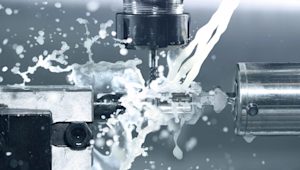
Ressources consacrées à l’usinage à commande numérique destinées aux ingénieurs

CNC 101 - hero image 3

Usinage: Le guide | Protolabs Network (anciennement Hubs)

Lire l'article
Introduction to CNC machining

What is CNC machining?

Lire l'article
How to design parts for CNC machining

How to design parts for CNC machining

Lire l'article
Minimizing the cost of CNC parts (13 proven design tips)

14 proven design tips to reduce the cost of CNC machining

Lire l'article
How to prepare a technical drawing for CNC machining

How to prepare a technical drawing for CNC machining

Lire l'article
Selecting the right CNC material

How do you select the right materials for CNC machining?

Lire l'article
Surface Finishes for CNC Machinining

What are the types of surface finishes for CNC machining?

Lire l'article
Heat treatments for CNC machined parts

What is heat treatment and how does it improve CNC-machined parts?

Lire l'article
Impression 3D vs. usinage CNC

3D printing vs. CNC machining: Which is better for prototyping and end-use parts?

Lire l'article
CNC 101 - hero image 3

Usinage: Le guide | Protolabs Network (anciennement Hubs)

Tout apprendre sur l’usinage CNC en 25 minutes. Que vous soyez un ingénieur expérimenté ou que vous débutiez avec l'usinage, ce guide est fait pour vous.

Lire l'article
Introduction to CNC machining

What is CNC machining?

What is CNC machining and how does it work? This overview explains the basic principles and fundamental mechanics, along with the key benefits and limitations, of this subtractive manufacturing process.

Lire l'article
How to design parts for CNC machining

How to design parts for CNC machining

In this complete guide to designing for CNC machining, we've compiled basic & advanced design practices and tips to help you achieve the best results for your custom parts.

Lire l'article
Minimizing the cost of CNC parts (13 proven design tips)

14 proven design tips to reduce the cost of CNC machining

Optimize your part design and material selection to get the most from CNC machining. Read these 14 CNC machining design tips to reduce costs and deliver parts that meet engineering requirements.

Lire l'article
How to prepare a technical drawing for CNC machining

How to prepare a technical drawing for CNC machining

How do you prepare technical drawings for CNC machining and why are they important? Technical drawings are standard documents used in manufacturing to communicate technical requirements between the designer, engineering team, and the manufacturer. Clear drawings reduce ambiguity, speed up production, and help ensure parts are produced to the required specifications.

Lire l'article
Selecting the right CNC material

How do you select the right materials for CNC machining?

This comprehensive guide compares the 25 most common materials used in CNC machining and helps you choose the right one for your application.

Lire l'article
Surface Finishes for CNC Machinining

What are the types of surface finishes for CNC machining?

What surface finishes are available for CNC machining? Post-processing and surface finishes improve surface roughness, visual appearance, and wear resistance of metal parts. This guide covers the most common surface finishes for CNC-machined metal parts and how to choose the right one for engineered components.

Lire l'article
Heat treatments for CNC machined parts

What is heat treatment and how does it improve CNC-machined parts?

What are the different types of heat treatment and how do they affect CNC-machined parts? This article explores how heat treatments can be applied to many metal alloys to drastically improve key physical properties like hardness, strength and machinability.

Lire l'article
Impression 3D vs. usinage CNC

3D printing vs. CNC machining: Which is better for prototyping and end-use parts?

When it comes to custom part production, choosing between 3D printing and CNC machining can be challenging. This guide breaks down the key differences between these popular manufacturing technologies, helping you decide which is best suited for prototyping, low-volume production, or functional end-use parts.

Lire l'article
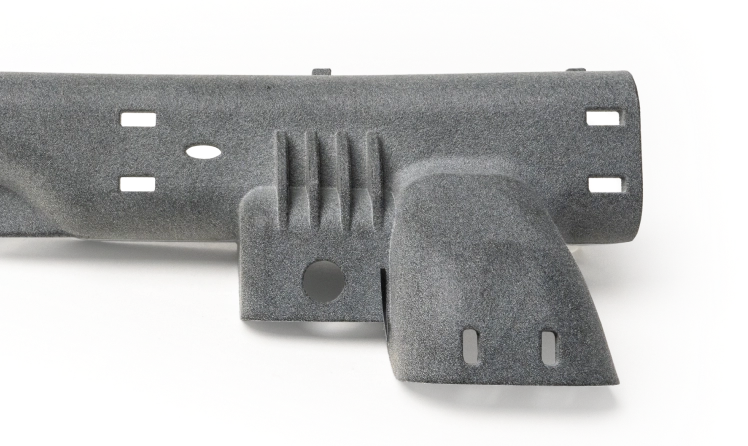
Afficher plus

Afficher moins

Nos autres services de fabrication

Impression 3D Other manufacturing capabilities
Impression 3D

FDM, SLA, SLS, MJF

  • Plus de 25 plastiques et plus de 35 couleurs

  • Précision dimensionnelle de ±0,5 % avec une limite inférieure de ±0,15 mm

  • Délais de livraison à partir de 1 jour ouvrable
Découvrez nos services d'impression 3D
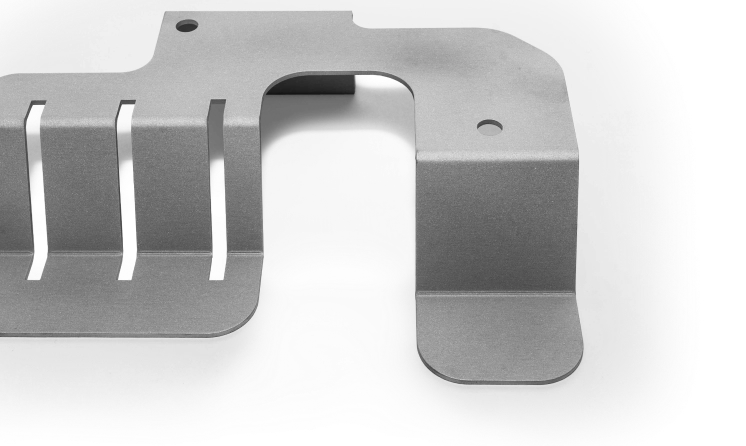
Production de pièces de tôlerie

Découpe au laser, pliage, post-traitement

  • Tolérances jusqu'à ±0,1 mm (±0,004 in)

  • Délais à partir de 5 jours ouvrés

Découvrez nos services de fabrication de tôlerie
Moulage par injection

Prototypes et outillage de production

  • Large gamme de complexités et de tailles de pièces

  • De 1 à 1 million de pièces

Découvrez nos capacités en moulage par injection

Envoyez vos pièces en usinage dès aujourd’hui

Devis instantané en usinage CNC