
Sofortangebot anfordern

Online-CNC-Bearbeitung­dienst

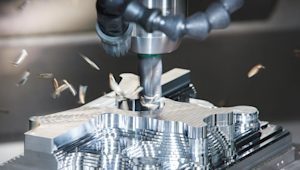
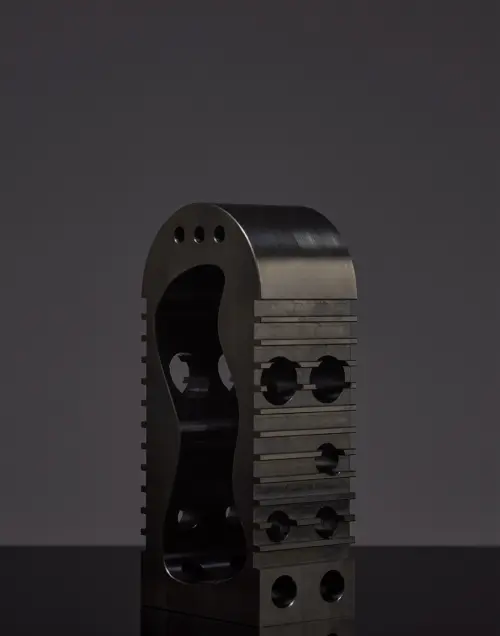
CNC-Bearbeitung für Rapid Prototyping und Fertigungsteile on demand mithilfe eines Netzwerks aus spezialisierten, erfahrenen und sorgfältig geprüften CNC-Bearbeitungsstätten.

Sofortangebot für CNC-Bearbeitung erstellen Alle Uploads sind sicher und vertraulich.

Unsere CNC-Bearbeitungsleistungen

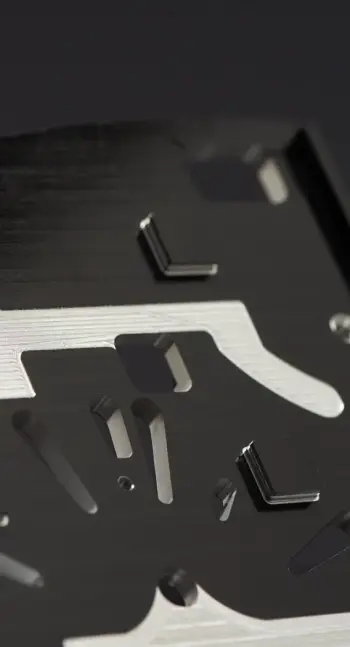
Wir fräsen und drehen alle Arten von Teilen, von einfachen „as machined“-Spannvorrichtungen bis hin zu komplexen Geometrien. Unsere Hersteller betreiben nahezu jede Art von CNC-Fräsmaschine und Drehzentrum; EDM- und Schleifmaschinen sind auf Anfrage verfügbar. Protolabs Network (ehemals Hubs) bietet Toleranzen bis zu ±0,020 mm (±0,001 in) und Lieferzeiten ab 5 Werktagen.

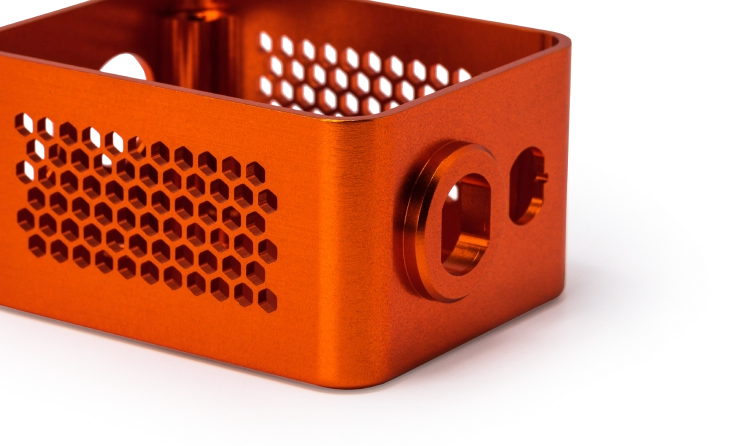
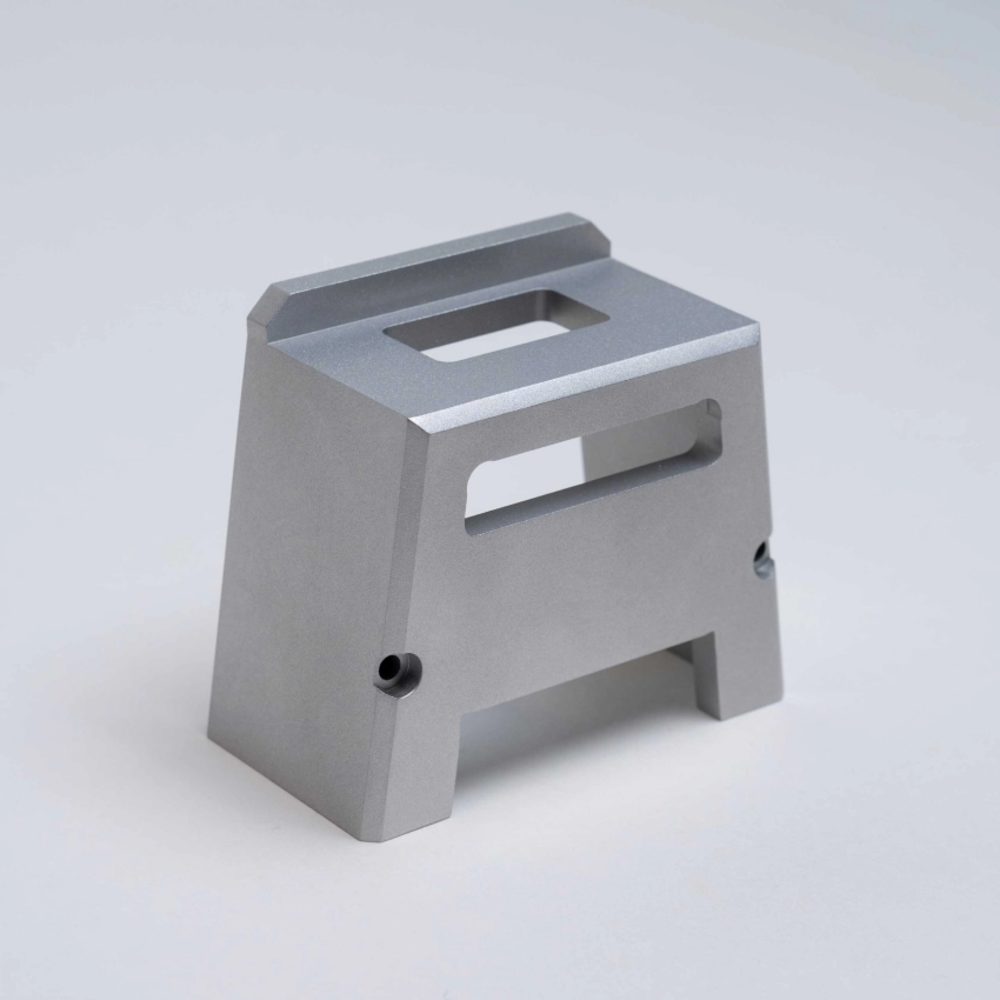
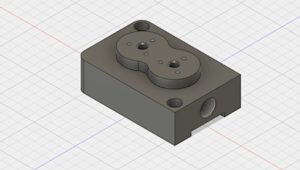
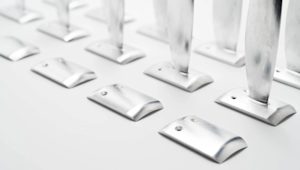
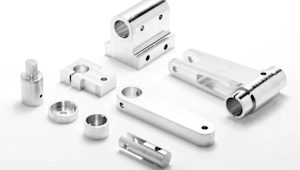
3-Achs- und 5-Achs-CNC-Fräsen CNC-bearbeitete Teile, CNC-Fräsen, eloxierte Oberflächenveredelung
3-Achs- und 5-Achs-CNC-Fräsen

Unser Netzwerk umfasst über
1.000 Fräszentren, einschließlich Standard-3-Achs-Fräsmaschinen, indexierte 3+2-Achs-Fräsmaschinen und vollständig kontinuierliche 5-Achs-Fräsmaschinen.

Weitere Informationen
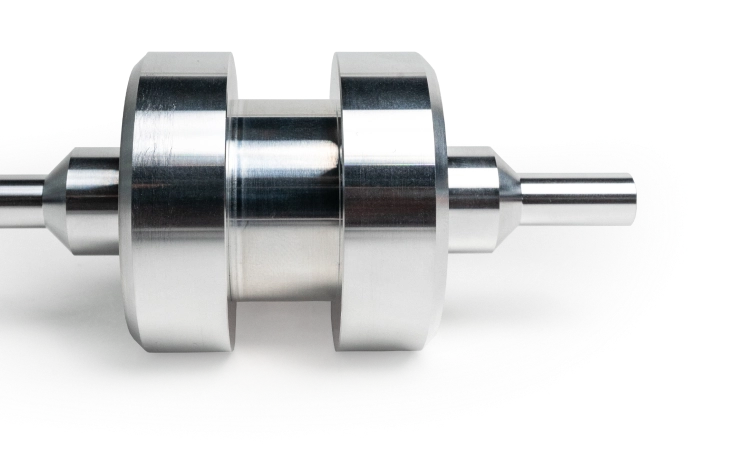
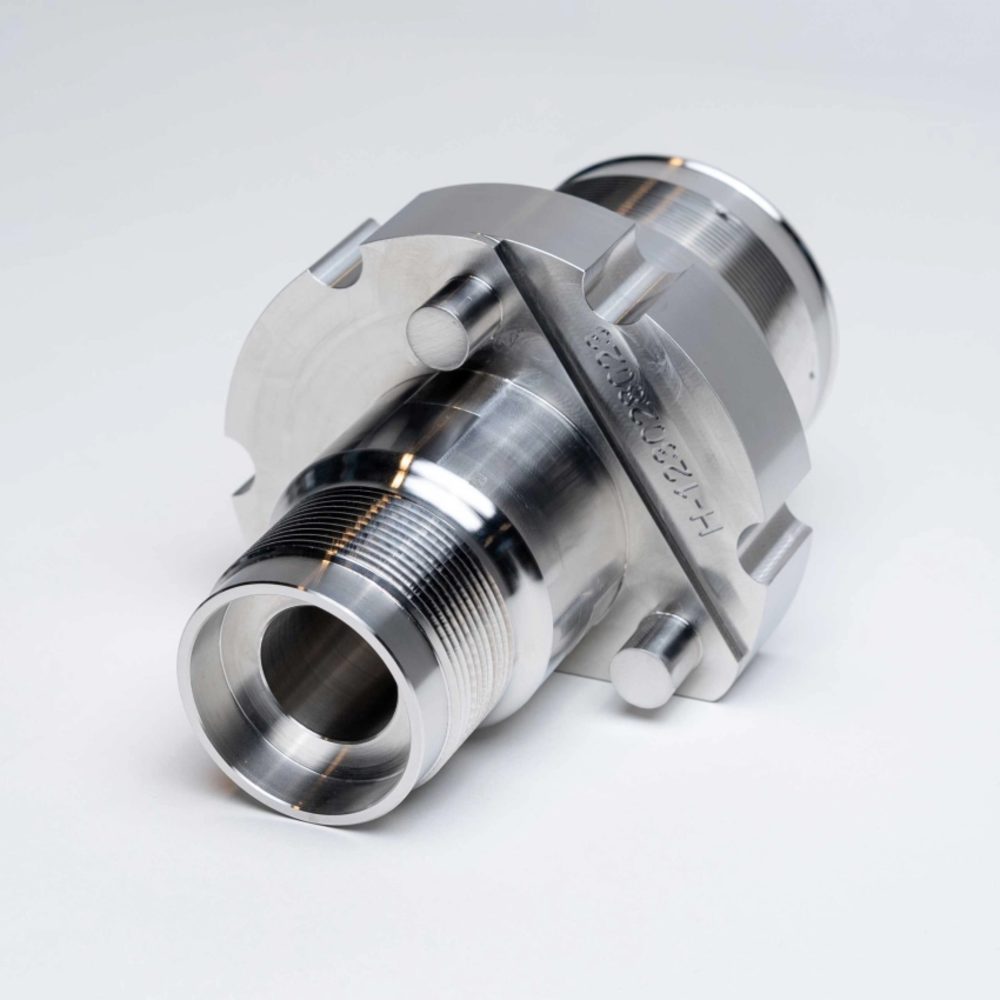
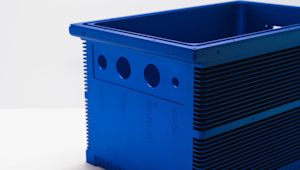
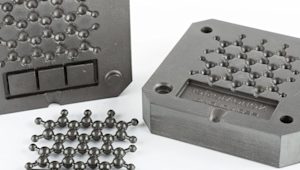
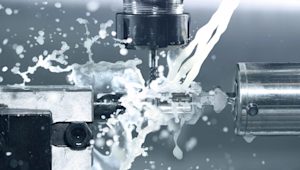
CNC-Drehen CNC-bearbeitetes Teil, CNC-Drehen, geschlichtete Oberflächenveredelung
CNC-Drehen

Unser Netzwerk umfasst über
300 Drehzentren, einschließlich Schweizer Drehmaschinen und mehrachsige Fräsdrehmaschinen.

Weitere Informationen

Unser Bestellprozess

CAD-Datei hochladen
Laden Sie Ihr Bauteildesign sicher in unseren Online-Angebotskonfigurator hoch.
Bestätigung der Spezifikationen
Konfigurieren Sie Ihre Teilespezifikationen und wählen Sie eine Fertigungszeit, die in Ihren Zeitplan passt.
Sofortangebot
Laden Sie Ihre CAD-Datei auf unsere Online-Angebotsplattform hoch.
Fertigung
Wir wählen den besten Hersteller für Ihren Auftrag aus und beginnen umgehend mit der Fertigung.
Qualitätskontrolle
Wir übernehmen die komplette Verantwortung für die Fertigung Ihrer Teile nach unseren Standards.
Lieferung

Verfügbare Materialien und Oberflächen für die CNC-Bearbeitung

Wir bieten Sofortangebote für über 75 Metalle und Kunststoffe, darunter 24 neue Werkstoffe, sowie eine große Auswahl an Oberflächenveredelungen nach der Bearbeitung.

Metalle
Aluminum
Stainless steel
Bronze
Mild steel
Brass
Copper
Alloy steel
Tool steel
Titanium
Inconel
Invar 36
Werkstoffe

Aluminum 5251 | EN AW-5251 | 3.3525 | AlMg2Mn0,3 Aluminum 5754 | EN AW-5754 | 3.3535 | AlMg3 EN AW-2007 | 3.1645 Aluminum 7075-T7351 | 3.4365 | 76528 | AlZn5.5MgCu Aluminum 6061-T651 | 3.3211 | 65028 | AlMg1SiCu Aluminum 7075-T651 | 3.4365 | 76528 | AlZn5.5MgCu Aluminum 6082-T651 | 3.2315 | 64430 | AlSi1MgMn Aluminum 6060 | 3.3206 | AlMgSi Aluminum 5052 | EN AW-5052 | 3.3523 | AlMg2,5 Aluminum 2017A | 3.1325 | 24530 | AlCu4MgSi Aluminum 2014 | 3.1255 | 24345 | AlCu4SiMg Aluminum 6063 | EN AW-6063 | 62400| AlMg0,7Si Aluminum 7050 | EN AW-7050 | 3.4144| AlZn6CuMgZr Aluminum 2024-T351 | 3.1355 | 24530 | AlCu4Mg1 Aluminum MIC6 Aluminum 7075-T6 | 3.4365 | 76528 | AlZn5,5MgCu Aluminum 5083-H111 | 3.3547 | 54300| AlMg4.5Mn0.7 Aluminum 6082 | 3.2315 | 64430| AlSi1MgMn Aluminum 6061-T6 | 3.3211| 65028| AlMg1SiCu

Werkstoffe

Stainless Steel 420C | 1.4034 | X46Cr13 Stainless Steel 316Ti | 1.4571 | S31635 | X6CrNiMoTi17-12-2 Stainless steel 416 | 1.4005 | X12CrS13 Stainless steel 15-5 | 1.4545 | X5CrNiCu15-5 Stainless steel 301 | 1.4310 | X10CrNi18-8 Stainless steel 430 | 1.4016 | X6Cr17 Stainless steel 440C | 1.4125 | X105CrMo17 Stainless steel 420 | 1.4028 | X30Cr13 Stainless steel 304/304L | 1.4301/1.4307 | X5CrNi18-10/X2CrNi18-9 Stainless steel 2205 Duplex | 1.4462 | 2205 | X2CrNiMoN 22-5-3 Stainless Steel 17-4 PH | 1.4542 | X5CrNiCuNb16-4 - Annealed state Stainless steel 303 | 1.4305 | X8CrNiS18-9 Stainless steel 316/316L | 1.4401/1.4404 | X5CrNiMo17-12-2/X2CrNiMo17-12-2

Werkstoffe

Aluminium Bronze 954 | C95400 Bearing Bronze 932 | C93200 | SAE 660 Phosphor Bronze CuSn12 Phosphor Bronze CuSn5 | CW451K Phosphor Bronze CuSn6 | C51900 | CW452K | 2.1020 Phosphor Bronze CuSn8 | C52100 | CW453K | 2.1030

Werkstoffe

Carbon Steel C35 | 1.0501 | 1035 Carbon steel C40 | 1.0511 | 1040 | EN8 Mild steel S275JR | 1.0044 | Fe430B | IS2062 Mild Steel S235JR | 1.0038 | Fe 360 B Carbon steel C45 | 1.0503 | 1045 | EN8 Mild steel S355J2 | 1.0577 | 1522H | Fe 510 D Mild steel 1045 | 1.0503 | C45 | EN8 Mild steel A36 | 1.025 | Fe 410 Mild steel 1018 | 1.1147 | C18 |16Mn

Werkstoffe

Brass Cz121 | C38500 | 2.0401 | CuZn39Pb3 Brass C360 | 2.0375 | CuZn36Pb3 | 319 grade 2

Werkstoffe

Beryllium Copper C17200 | CA172 Copper C101 | CU OFE Copper C110 | CU ETP

Werkstoffe

Alloy Steel 1.7227 | 42CrMoS4 Alloy steel 1.7139 | 16MnCrS5 Alloy steel 4130 | 1.7218 | 25CrMo4 Alloy steel 1.6580 | 30CrNiMo8 Alloy steel 1.6582 | 34CrNiMo6 Alloy steel 1.7131 | 16MnCr5 Alloy steel 1215 | EN1A | 1.0715 Alloy steel 4340 | 1.6511 | 36CrNiMo4 | EN24 Alloy steel 4140 | 1.7225 | EN19 | 42CrMo4

Werkstoffe

Tool Steel 1.2083 | X40Cr14 - Annealed State Tool Steel P20 | 1.2312 | 40CrMnMoS8-6 - Quench and Tempered Tool Steel O2 | 1.2842 | 90MnCrV8 - Annealed State Tool steel A3 - Annealed state Tool steel H13 | 1.2344 | X40CrMoV5-1 - Annealed state Tool steel S7 | 1.2355 | 50CrMoV13-15 - Annealed state Tool steel O1 | 1.2510 | 100MnCrW4 - Annealed state Tool steel A2 | 1.2363 | X100CrMoV5-1- Annealed state Tool steel D2 | 1.2379 | X153CrMoV12-1 - Annealed state

Werkstoffe

Titanium Grade 5 | 3.7164 | Ti6Al4V Titanium Grade 2 | 3.7035 Titanium Grade 1 | 3.7025

Werkstoffe

Inconel 625 | N06625 Inconel 718

Werkstoffe

Invar 36

Beschreibung
Aluminum 5251 | EN AW-5251 | 3.3525 | AlMg2Mn0,3
Aluminum 5251 is a non-heat-treatable Al‑Mg alloy with good corrosion resistance (incl. marine), very good formability, and excellent weldability; moderate strength; compliant with EN AW‑5251.
Erfahren Sie mehr
Aluminum 5754 | EN AW-5754 | 3.3535 | AlMg3
Aluminum 5754 is a non-heat-treatable Al‑Mg alloy with excellent corrosion resistance and weldability, good formability, and moderate strength; compliant with EN AW-5754.
Erfahren Sie mehr
EN AW-2007 | 3.1645
2000‑series wrought aluminum alloy primarily alloyed with copper and lead, designed for excellent machinability and relatively high mechanical strength.
Erfahren Sie mehr
Aluminum 7075-T7351 | 3.4365 | 76528 | AlZn5.5MgCu
Aluminum 7075-T7351 is commonly used in aerospace and defense applications, as well as automotive and transportation, as it is valued for its high strength, excellent machinability and good fatigue resistance. The "T7351" designation indicates that the material has been heat-treated to a specific level of hardness.
Erfahren Sie mehr
Aluminum 6061-T651 | 3.3211 | 65028 | AlMg1SiCu
Aluminum 6061-T651 is commonly used in aerospace, automotive and construction industry, as it is valued for its high strength, excellent machinability, and good weldability. The "T651" designation indicates that the material has been heat-treated to a specific level of hardness.
Erfahren Sie mehr
Aluminum 7075-T651 | 3.4365 | 76528 | AlZn5.5MgCu
Aluminum 7075-T651(CNC) is an aerospace-grade material with excellent strength-to-weight ratio and strength and hardness comparable to steels. T651 is the temper of Aluminum 7075, and to achieve this temper, the alloy is solution heat-treated, stress relieved, and then artificially aged.
Erfahren Sie mehr
Aluminum 6082-T651 | 3.2315 | 64430 | AlSi1MgMn
Aluminum 6082-T651 (CNC) has very similar composition and properties to 6061, with slightly higher tensile strength. Compliant with British Standards.
Erfahren Sie mehr
Aluminum 6060 | 3.3206 | AlMgSi
Alloy 6060 offers good strength, relatively good corrosion resistance and is suitable for decorative anodizing.
Erfahren Sie mehr
Aluminum 5052 | EN AW-5052 | 3.3523 | AlMg2,5
Aluminum 5052 is a strain hardening aluminum alloy with excellent corrosion resistance. Suitable for marine applications. Can be welded.
Erfahren Sie mehr
Aluminum 2017A | 3.1325 | 24530 | AlCu4MgSi
Aluminum 2017 has a higher ductility and formability than Aluminum 2014 and has intermediate strength.
Erfahren Sie mehr
Aluminum 2014 | 3.1255 | 24345 | AlCu4SiMg
Aluminum 2014 is easily machined and can be hardened to get strengths comparable to steel, but is prone to corrosion. Suitable for aerospace applications.
Erfahren Sie mehr
Aluminum 6063 | EN AW-6063 | 62400| AlMg0,7Si
Aluminum 6063 has good mechanical properties and can be heat treated. Suitable for aerospace applications. Can be welded.
Erfahren Sie mehr
Aluminum 7050 | EN AW-7050 | 3.4144| AlZn6CuMgZr
Aluminum 7050 has excellent mechanical properties with good ductility, high strength, toughness and good resistance to fatigue. Suitable for aerospace applications.
Erfahren Sie mehr
Aluminum 2024-T351 | 3.1355 | 24530 | AlCu4Mg1
Aluminum 2024 is a high-strength alloy with excellent fatigue resistance. Suitable for aerospace applications.
Erfahren Sie mehr
Aluminum MIC6
Aluminum MIC6 is a light weight material that can be easily machined at high speed and is free from tension, contaminants and porosity.
Erfahren Sie mehr
Aluminum 7075-T6 | 3.4365 | 76528 | AlZn5,5MgCu
Aluminum 7075-T6 (CNC) is an aerospace-grade material with excellent strength-to-weight ratio and strength and hardness comparable to steels.
Erfahren Sie mehr
Aluminum 5083-H111 | 3.3547 | 54300| AlMg4.5Mn0.7
Aluminum 5083 (CNC) is a strain hardening aluminum alloy with excellent corrosion resistance. Suitable for marine applications. Can be welded.
Erfahren Sie mehr
Aluminum 6082 | 3.2315 | 64430| AlSi1MgMn
Aluminum 6082 (CNC) has very similar composition and properties to 6061, with slightly higher tensile strength. Compliant with British Standards.
Erfahren Sie mehr
Aluminum 6061-T6 | 3.3211| 65028| AlMg1SiCu
Aluminum 6061 (CNC) is the most popular aluminum alloy. It has good strength-to-weight ratio, excellent machinability and natural corrosion resistance.
Erfahren Sie mehr
Stainless Steel 420C | 1.4034 | X46Cr13
420C is a high-carbon martensitic stainless steel known for its excellent hardness and wear resistance, making it suitable for applications like cutting tools, surgical instruments, and bearings.
Erfahren Sie mehr
Stainless Steel 316Ti | 1.4571 | S31635 | X6CrNiMoTi17-12-2
Stainless Steel 316Ti is a Ti‑stabilized 316 variant with improved resistance to sensitization and high‑temperature service; excellent corrosion resistance in marine/chloride environments; good weldability; moderate machinability; compliant with EN 1.4571/ASTM 316Ti.
Erfahren Sie mehr
Stainless steel 416 | 1.4005 | X12CrS13
Stainless steel 416 is magnetic and has a high machinability.
Erfahren Sie mehr
Stainless steel 15-5 | 1.4545 | X5CrNiCu15-5
Stainless steel 15-5 has a higher toughness than 17-4, better corrosion resistance and transverse properties compared to other similar martensitic grades.
Erfahren Sie mehr
Stainless steel 301 | 1.4310 | X10CrNi18-8
Stainless steel 301 is corrosion resistant similar to Stainless steel 304.
Erfahren Sie mehr
Stainless steel 430 | 1.4016 | X6Cr17
Stainless steel 430 is magnetic and corrosion resistant.
Erfahren Sie mehr
Stainless steel 440C | 1.4125 | X105CrMo17
Stainless steel 440C has improved toughness and corrosion resistance due to Carbon and Chromium content.
Erfahren Sie mehr
Stainless steel 420 | 1.4028 | X30Cr13
Stainless steel 420 provides high strength and corrosion resistance. It is the hardest of all stainless steels when hardened.
Erfahren Sie mehr
Stainless steel 304/304L | 1.4301/1.4307 | X5CrNi18-10/X2CrNi18-9
Stainless steel 304L (CNC) has excellent mechanical properties and good machinability. Resistant to most environments and corrosive media.
Erfahren Sie mehr
Stainless steel 2205 Duplex | 1.4462 | 2205 | X2CrNiMoN 22-5-3
Stainless steel 2205 Duplex (CNC) is the alloy with the highest strength and hardness. Suitable for applications in severe environments up to 300°C.
Erfahren Sie mehr
Stainless Steel 17-4 PH | 1.4542 | X5CrNiCuNb16-4 - Annealed state
Stainless steel 17-4 (CNC) - SAE grade 630 - is a precipitation hardening alloy with good corrosion resistance. Can be hardened up to 44 HRC.
Erfahren Sie mehr
Stainless steel 303 | 1.4305 | X8CrNiS18-9
Stainless steel 303 (CNC) has excellent toughness, but lower corrosion resistance than 304. Ideal for high volumes, due to its excellent machinability.
Erfahren Sie mehr
Stainless steel 316/316L | 1.4401/1.4404 | X5CrNiMo17-12-2/X2CrNiMo17-12-2
Stainless steel 316L (CNC) has similar mechanical properties to 304, with higher corrosion and chemical resistance. Ideal for marine applications.
Erfahren Sie mehr
Aluminium Bronze 954 | C95400
Aluminum bronze alloy known for its high strength and corrosion resistance, making it suitable for marine, aerospace, and industrial applications.
Erfahren Sie mehr
Bearing Bronze 932 | C93200 | SAE 660
High-lead tin bronze alloy known for its excellent machinability and good wear resistance, making it ideal for bushings, bearings, and thrust washers.
Erfahren Sie mehr
Phosphor Bronze CuSn12
Bronze alloy with approximately 12% tin, known for its excellent wear resistance and corrosion resistance, making it ideal for bearings, bushings, and gears.
Erfahren Sie mehr
Phosphor Bronze CuSn5 | CW451K
510 Phosphor Bronze is an alloy known for its excellent corrosion resistance, high fatigue strength, and good electrical conductivity, making it suitable for electrical connectors, springs, and bearings.
Erfahren Sie mehr
Phosphor Bronze CuSn6 | C51900 | CW452K | 2.1020
Copper-tin alloy, commonly known as phosphor bronze, which offers excellent corrosion resistance, high fatigue strength, and good wear resistance.
Erfahren Sie mehr
Phosphor Bronze CuSn8 | C52100 | CW453K | 2.1030
High-performance bronze alloy, consisting of approximately 92% copper and 8% tin, known for its excellent wear resistance and high strength.
Erfahren Sie mehr
Carbon Steel C35 | 1.0501 | 1035
Medium‑carbon steel for shafts and general engineering; can be normalized or quenched and tempered.
Erfahren Sie mehr
Carbon steel C40 | 1.0511 | 1040 | EN8
Medium‑carbon steel for higher‑strength shafts, axles, and bolts. Suitable for quenching & tempering.
Erfahren Sie mehr
Mild steel S275JR | 1.0044 | Fe430B | IS2062
As a low carbon steel specifications S275 provides low strength with good machinability and is suitable for welding
Erfahren Sie mehr
Mild Steel S235JR | 1.0038 | Fe 360 B
S235JR is a hot rolled non-alloy structural steel. It has good plasticity, toughness and weldability, certain strength and good cold bending properties.
Erfahren Sie mehr
Carbon steel C45 | 1.0503 | 1045 | EN8
C45 has low thermal conductivity and low ductility among wrought carbon steels.
Erfahren Sie mehr
Mild steel S355J2 | 1.0577 | 1522H | Fe 510 D
S355J2 has a high tensile strength. Compared to other carbon steels, it has high electrical conductivity but low thermal conductivity and low ductility.
Erfahren Sie mehr
Mild steel 1045 | 1.0503 | C45 | EN8
Mild steel 1045 (CNC) is a medium carbon steel with good weldability and machinability, high strength and good impact resistance. Susceptible to corrosion.
Erfahren Sie mehr
Mild steel A36 | 1.025 | Fe 410
Mild steel A36 (CNC) is a common structural steel with good weldability. Suitable for a variety of industrial applications. Susceptible to corrosion.
Erfahren Sie mehr
Mild steel 1018 | 1.1147 | C18 |16Mn
Mild steel 1018 (CNC) is a general-use alloy with good machinability, weldability, toughness, strength. Susceptible to corrosion.
Erfahren Sie mehr
Brass Cz121 | C38500 | 2.0401 | CuZn39Pb3
Brass Cz121/C360 (CNC) is a highly machinable alloy with good tensile strength and natural corrosion resistance. Ideal for parts that require low friction.
Erfahren Sie mehr
Brass C360 | 2.0375 | CuZn36Pb3 | 319 grade 2
Brass C360 (CNC) is highly machinable alloy with good tensile strength and natural corrosion resistance. Ideal for parts that require low friction.
Erfahren Sie mehr
Beryllium Copper C17200 | CA172
Precipitation‑hardening beryllium‑copper alloy offering very high strength, good conductivity, and excellent fatigue/wear resistance, commonly used for springs, electrical contacts, and non‑sparking tools. Short safety note: machining can generate toxic beryllium dust — use proper controls.
Erfahren Sie mehr
Copper C101 | CU OFE
Copper (C101), 99.99% pure, is a copper alloy with excellent conductivity and high corrosion resistance and toughness.
Erfahren Sie mehr
Copper C110 | CU ETP
Copper (C110) is a pure at 99.90% copper alloy, with universal for electrical applications high thermal conductivity and good corrosion resistance.
Erfahren Sie mehr
Alloy Steel 1.7227 | 42CrMoS4
Alloy Steel 1.7227 (CNC) offers high strength and toughness after heat treatment with improved machinability. Ideal for heavily loaded parts.
Erfahren Sie mehr
Alloy steel 1.7139 | 16MnCrS5
Alloy steel 1.7139 is a resulfurized case-hardening steel with very good machinability. Designed for carburizing to achieve a hard, wear-resistant surface with a tough core.
Erfahren Sie mehr
Alloy steel 4130 | 1.7218 | 25CrMo4
Low‑alloy 1.7218 Cr‑Mo steel is suitable for tubes, pressure parts, and Q&T components.
Erfahren Sie mehr
Alloy steel 1.6580 | 30CrNiMo8
High‑strength Ni‑Cr‑Mo steel for heavy‑duty shafts/gears. Typically quenched and tempered.
Erfahren Sie mehr
Alloy steel 1.6582 | 34CrNiMo6
Widely used Ni‑Cr‑Mo steel with high toughness and fatigue strength.
Erfahren Sie mehr
Alloy steel 1.7131 | 16MnCr5
Steel 1.7131 has a high surface hardness and wear resistance with good machinability.
Erfahren Sie mehr
Alloy steel 1215 | EN1A | 1.0715
Alloy steel 1215 is a low tensile, low harden-ability carbon steel. Can be machined at higher speeds.
Erfahren Sie mehr
Alloy steel 4340 | 1.6511 | 36CrNiMo4 | EN24
Alloy steel 4340 (CNC) can be heat treated to high strength, while maintaining good toughness, wear resistance and fatigue strength. Weldable.
Erfahren Sie mehr
Alloy steel 4140 | 1.7225 | EN19 | 42CrMo4
Alloy steel 4140 (CNC) has good overall properties, with good strength and toughness. Suitable for many industrial applications. Not weldable.
Erfahren Sie mehr
Tool Steel 1.2083 | X40Cr14 - Annealed State
1.2083 is a high chromium stainless steel known for its excellent corrosion resistance and polishability, making it ideal for plastic mold applications, especially when producing optical components.
Erfahren Sie mehr
Tool Steel P20 | 1.2312 | 40CrMnMoS8-6 - Quench and Tempered
P20 tool steel (1.2312, P20): mold steel with sulfur for better machinability; good polishability and stability; common for injection molds; moderate weldability.
Erfahren Sie mehr
Tool Steel O2 | 1.2842 | 90MnCrV8 - Annealed State
Oil‑hardening cold‑work tool steel with good wear resistance and dimensional stability.
Erfahren Sie mehr
Tool steel A3 - Annealed state
Tool steel A3 is an air-hardened general purpose tool steel with good toughness and excellent dimensional stability. Used for molding dies.
Erfahren Sie mehr
Tool steel H13 | 1.2344 | X40CrMoV5-1 - Annealed state
Tool steel H13 has an excellent combination of high toughness and fatigure resistance. It is the most common tool steel used in tooling applications.
Erfahren Sie mehr
Tool steel S7 | 1.2355 | 50CrMoV13-15 - Annealed state
Tool steel s7 has very high impact properties. Suitable for tool and die application..
Erfahren Sie mehr
Tool steel O1 | 1.2510 | 100MnCrW4 - Annealed state
Tool steel O1 (CNC) is an oil-hardened alloy with a high hardness of 65 HRC. Used for industrial knives and cutting tools.
Erfahren Sie mehr
Tool steel A2 | 1.2363 | X100CrMoV5-1- Annealed state
Tool steel A2 (CNC) is an air-hardened general purpose tool steel with good toughness and excellent dimensional stability. Used for molding dies.
Erfahren Sie mehr
Tool steel D2 | 1.2379 | X153CrMoV12-1 - Annealed state
Tool steel D2 (CNC) is a wear-resistant alloy that retains its hardness to a temperature of 425 °C. Used for cutting tools and dies.
Erfahren Sie mehr
Titanium Grade 5 | 3.7164 | Ti6Al4V
Stronger than Grade 2, equally corrosion-resistant, and excellent bio-compatibility.
Erfahren Sie mehr
Titanium Grade 2 | 3.7035
Stronger than Grade 1 and equally corrosion-resistant, excellent bio-compatibility.
Erfahren Sie mehr
Titanium Grade 1 | 3.7025
Titanium Grade 1 (CNC) is a commercially pure metal with excellent corrosion and impact resistance and good machinability and weldability.
Erfahren Sie mehr
Inconel 625 | N06625
Inconel 625 is a nickel-based superalloy known for its high strength, excellent corrosion resistance, and ability to withstand extreme temperatures, making it ideal for aerospace, marine, and chemical processing applications.
Erfahren Sie mehr
Inconel 718
Inconel 718 is a high-strength, corrosion-resistant nickel alloy.
Erfahren Sie mehr
Invar 36
INVAR 36 is a nickel alloy with a very low coefficient of thermal expansion.
Erfahren Sie mehr
Kunststoffe
POM (Delrin/Acetal)
Nylon
PPSU
ABS
PEEK
PTFE (Teflon)
Polycarbonate
Polyethylene
PVC
PMMA (Acrylic)
PET
Polypropylene
G-10
FR4
PEI
Werkstoffe

Acetal Copolymer (POM-C) FDA Acetal Copolymer (POM-C) ESD Acetal Copolymer (POM-C) Acetal Homopolymer (POM-H)

Werkstoffe

Nylon 6 Flame Retardant Nylon 6/6 30% Glass Filled Nylon 6 30% Glass Filled Nylon 6

Werkstoffe

PPSU | UL94 V-0

Werkstoffe

ABS

Werkstoffe

PEEK 30% Glass Filled PEEK

Werkstoffe

PTFE

Werkstoffe

PC

Werkstoffe

UHMW-PE HDPE

Werkstoffe

Werkstoffe

PMMA (Acrylic)

Werkstoffe

PET

Werkstoffe

PP Homopolymer PP+GF(30%) PP

Werkstoffe

Garolite G-10

Werkstoffe

FR4

Werkstoffe

PEI Ultem 1000 PEI Ultem 2300 30% Glass Filled

Beschreibung
Acetal Copolymer (POM-C) FDA
Acetal is an engineering thermoplastic used in precision parts requiring high stiffness, low friction and excellent dimensional stability
Erfahren Sie mehr
Acetal Copolymer (POM-C) ESD
Semicrystalline engineering plastic, permanently antistatic for varied applications in electronics, clean rooms and safety areas.
Erfahren Sie mehr
Acetal Copolymer (POM-C)
Acetal (POM-C) is the easiest to machine engineering plastic. Ideal for parts with high stiffness, low friction and very low water absorption.
Erfahren Sie mehr
Acetal Homopolymer (POM-H)
Delrin (POM-H) is the easiest to machine engineering plastic. Ideal for parts with high stiffness, low friction and very low water absorption.
Erfahren Sie mehr
Nylon 6 Flame Retardant
PA 6 FR possesses a high degree of stiffness, tensile strength as well as good sliding and wear properties with simultaneously outstanding corrosion and chemical resistance.
Erfahren Sie mehr
Nylon 6/6 30% Glass Filled
This grade has been re-enforced with glass fibres - and the composite inherits good strength, hardness and abrasion resistance from the 30% glass filler, and tough and lightweight properties of the plastic.
Erfahren Sie mehr
Nylon 6 30% Glass Filled
Glass-reinforced nylon has higher tensile strength than un-reinforced nylon while still benifitting from its flexibility. Very tough.
Erfahren Sie mehr
Nylon 6
Nylon 6 (CNC) - PA 6 - has excellent mechanical properties, with high toughness and hardness. Susceptible to moisture absorption.
Erfahren Sie mehr
PPSU | UL94 V-0
PPSU offers hydrolytic stability, toughness and superior impact strength over a wide temperature range.
Erfahren Sie mehr
ABS
ABS (CNC) has good mechanical properties and excellent impact resistance. It is commonly used to prototype parts prior to injection-molding.
Erfahren Sie mehr
PEEK 30% Glass Filled
High‑temperature, chemical‑resistant thermoplastic. Glass fiber raises stiffness and heat deflection.
Erfahren Sie mehr
PEEK
PEEK (CNC) is an engineering thermoplastic with excellent mechanical and thermal properties. Can be used to replace metal parts. Biocompatible.
Erfahren Sie mehr
PTFE
Teflon (CNC) - PTFE - has excellent thermal and chemical resistance and outstanding frictional and electrical properties.
Erfahren Sie mehr
PC
Polycarbonate (CNC) has excellent impact strength and good temperature resistance. Suitable for outdoor applications. Can be colored or semi-transparent.
Erfahren Sie mehr
UHMW-PE
High density polyethylene is very tough due to its long chain structure and has the highest impact strength of any thermoplastic.
Erfahren Sie mehr
HDPE
HDPE (CNC) is a lightweight and strong thermoplastic, suitable for outdoor applciations. Commonly used for prototypes before Injection Molding.
Erfahren Sie mehr
PMMA (Acrylic)
PMMA is a translucent rigid plastic, often used as a substitute for glass and when high transparency is needed, a high polishing process can be done to achieve this.
Erfahren Sie mehr
PET
PET is a tough plastic that offers excellent wear resistance and mechanical strength.
Erfahren Sie mehr
PP Homopolymer
PP-H offers a high strength to weight ratio and is stiffer and stronger than copolymer, this combined with good chemical resistance and weldability allows this material to be used in many corrosion resistant structures.
Erfahren Sie mehr
PP+GF(30%)
Reinforced polypropylene with glass fiber for improved tensile strength.
Erfahren Sie mehr
PP
Polyproplene has similar properties to polyethylene but is harder and more heat resistant.
Erfahren Sie mehr
Garolite G-10
Garolite G-10 is a high pressure fiberglass laminate known for its high strength, low moisture absorption, and high electrical insulation.
Erfahren Sie mehr
FR4
FR4 is a class of glass fiber epoxy laminate that is flame retardant.
Erfahren Sie mehr
PEI Ultem 1000
High performance engineering thermoplastic polymer, with excellent durability, strength, stiffness and heat resistance (UL94-V0).
Erfahren Sie mehr
PEI Ultem 2300 30% Glass Filled
30% glass fibre reinforced amorphous engineering thermoplastic, with very high rigidity and strength for demanding applications
Erfahren Sie mehr
Nachbearbeitungen
Anodized type III (Hardcoat) Non cosmetic
Bead Blasted + Anodized type III (Hardcoat) Cosmetic on request
Bead Blasted + Chromate Conversion Coating Cosmetic on request
Black oxide Non cosmetic
Chemisches Vernickeln Non cosmetic
Chromatiert Non cosmetic
Geschlichtet + Typ II eloxiert Non cosmetic
Geschlichtet + Typ III eloxiert (Harteloxal) Non cosmetic
Geschliffen + Typ II eloxiert (glänzende Oberfläche) Cosmetic on request
Perlengestrahlt Cosmetic on request
Perlengestrahlt + Typ II eloxiert (glänzende Oberfläche) Cosmetic on request
Perlengestrahlt + Typ II eloxiert (matte Oberfläche) Cosmetic on request
Pulverbeschichtet Non cosmetic
Beschreibung
Anodized type III (Hardcoat)
Parts are cut and an anodizing type III coating is directly applied to the surface. Ideal to improve corrosion and wear resistance of components.
Bead Blasted + Anodized type III (Hardcoat)
Parts are bead blasted (grit #120) and anodized type III. Ideal to improve corrosion and wear resistance of components. Results in naturally matte colors. Colors available are black and clear.
Bead Blasted + Chromate Conversion Coating
Parts are bead blasted (grit #120) and a chromate conversion coating is applied. Ideal to increase the corrosion resistance of the part while maintaining its conductive properties. RoHS compliant.
Black oxide
Applicable on steels, black oxide is a conversion coating used to improve corrosion resistance and minimize light reflection.
Chemisches Vernickeln
Teile werden gefertigt (Ra = 1,6 µm) und chemisch vernickelt. Dies dient der Verschleiß- und Korrosionsbeständigkeit und erfüllt keinen kosmetischen Zweck.
Erfahren Sie mehr
Chromatiert
Teile werden gefertigt und chromatiert. Dies dient dazu, die Korrosionsbeständigkeit des Teils zu erhöhen und gleichzeitig die Leitfähigkeit beizubehalten. RoHS-konform.
Erfahren Sie mehr
Geschlichtet + Typ II eloxiert
Teile werden direkt nach der Fertigung eloxiert (Typ II). Dies ist die kostengünstigste Eloxaloption und eignet sich für nicht-kosmetische, funktionelle Teile. Dieses Verfahren wird zur Verbesserung der Verschleiß- und Korrosionsbeständigkeit angewandt.
Erfahren Sie mehr
Geschlichtet + Typ III eloxiert (Harteloxal)
Eine Eloxalschicht des Typs III wird direkt auf die Oberfläche der gefertigten Teile aufgetragen. Dies dient dazu, die Korrosions- und Verschleißbeständigkeit von Bauteilen zu verbessern.
Erfahren Sie mehr
Geschliffen + Typ II eloxiert (glänzende Oberfläche)
Teile werden mit feinem Schleifpapier manuell abgeschliffen, um die Bearbeitungsspuren abzuschwächen, und anschließend eloxiert. Dies dient dazu, die Korrosionsbeständigkeit des Teils zu erhöhen. Dieses Verfahren führt für gewöhnlich zu einem glänzenden Erscheinungsbild.
Erfahren Sie mehr
Perlengestrahlt
Teile werden mit Glasperlen gestrahlt, was zu einer körnigen Oberflächenstruktur führt und Bearbeitungsspuren verringert.
Erfahren Sie mehr
Perlengestrahlt + Typ II eloxiert (glänzende Oberfläche)
Teile werden perlengestrahlt und Typ II eloxiert (glänzende Oberfläche). Dies führt zu einer glänzenden Farbe und eignet sich besonders für kosmetische Teile, für die eine höhere Korrosionsbeständigkeit erforderlich ist.
Erfahren Sie mehr
Perlengestrahlt + Typ II eloxiert (matte Oberfläche)
Teile werden perlengestrahlt und Typ II eloxiert. Dadurch wird die Korrosionsbeständigkeit des Teils erhöht. Dieses Verfahren führt zu natürlich matten Farben. Bitte wählen Sie für glänzende Farben die Option „Perlengestrahlt + eloxiert (glänzende Oberfläche)“.
Erfahren Sie mehr
Pulverbeschichtet
Bei der Pulverbeschichtung handelt es sich um eine starke und verschleißfeste Nachbearbeitung, die mit allen metallischen Materialien kompatibel ist.
Erfahren Sie mehr
Rauheit
Fine machining (Ra 0.8μm / Ra 32μin) Non cosmetic
Geschlichtet (Ra = 3,2 μm/Ra = 126 μin) Non cosmetic
Geschliffen (Ra = 1,2 μm/Ra = 47 μin) Cosmetic on request
Glatte Bearbeitung (Ra = 1,6 μm/Ra = 63 μin) Non cosmetic
Poliert (Ra = 0,8 μm/Ra = 32 μin) Cosmetic
Beschreibung
Fine machining (Ra 0.8μm / Ra 32μin)
Finer-looking machining obtained either through higher-precision machines, lower feeds, sharper tools, or a combination of all the above. Machining marks are less evident.
Erfahren Sie mehr
Geschlichtet (Ra = 3,2 μm/Ra = 126 μin)
Hierbei handelt es sich um unsere Standardnachbearbeitung. Teile werden gefertigt und entgratet sowie scharfe Kanten abgerundet.
Erfahren Sie mehr
Geschliffen (Ra = 1,2 μm/Ra = 47 μin)
Teile werden manuell mit Schleifpapier mit einer Körnung von 400–600 abgeschliffen, um Bearbeitungsspuren zu verringern. Dies dient dazu, die Rauheit der nachbearbeiteten Oberfläche zu reduzieren.
Erfahren Sie mehr
Glatte Bearbeitung (Ra = 1,6 μm/Ra = 63 μin)
„Feingeschlichtet“ bedeutet, dass Bearbeitungsspuren weniger sichtbar sind. Die Teile werden mit einem geringeren Vorschub gefertigt und nicht von Hand poliert.
Erfahren Sie mehr
Poliert (Ra = 0,8 μm/Ra = 32 μin)
Teile werden in mehrere Richtungen manuell poliert. Dies führt zu einer glatten und leicht reflektierenden Oberfläche.
Erfahren Sie mehr
Auf Anfrage können wir jegliches anderes Material beschaffen. Das Erstellen von Angeboten kann jedoch bis zu 48 Stunden dauern. #

Tolerances and dimensions

Maximum part size

Process Maximum size (L × W × H)
3-axis CNC milling (soft metals) 2000 × 1500 × 200 mm
3-axis CNC milling (hard metals) 1200 × 800 × 500 mm
5-axis CNC milling 2000 × 1500 × 200 mm
CNC turning (lathe) Ø431 × 990 mm

Tolerances

We can meet standard ISO tolerance requirements, with tighter tolerances available upon request, and manufacture parts in compliance with recognized industry standards, including:

  • Aerospace: ISO 1101, AS9100

  • Automotive: ISO 16792

  • Medical: ISO 13485


Stets gleichbleibende Qualität


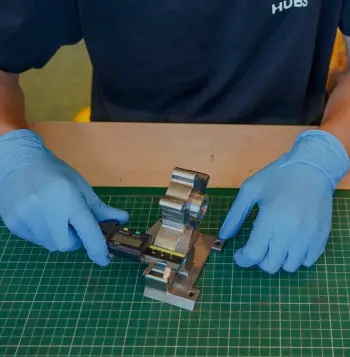
Protolabs Network garantiert die Qualität eines jeden Teils, das unser Netzwerk durchläuft. Neben einer sorgfältigen Auswahl und Überprüfung unserer Fertigungspartner wird jeder Auftrag im Rahmen des Protolabs Network-Standards dimensional und sichtgeprüft. Global hergestellte Aufträge werden außerdem an einem unserer Cross-Docking-Standorte in Amsterdam bzw. Chicago einer weiteren Prüfung unterzogen.

Sofortige Preisgestaltung Instant quote icon
Sofortige Preisgestaltung

Fordern Sie ein Sofortangebot an, das im Voraus alle Preisinformationen enthält

Weitere Informationen
Der Protolabs Network-Standard Dimensions icon
Der Protolabs Network-Standard

Wir setzen rigorose Vorschriften und Verfahren ein, um Qualität sicherzustellen.

Weitere Informationen
Spezialisiertes Netzwerk Network illustration
Spezialisiertes Netzwerk

Erhalten Sie Zugriff auf wegbereitende Kompetenzen und grenzenlose Kapazität

Weitere Informationen

Über Protolabs Network gefertigt

Industrielle Fertigung

Unser Expertenteam bietet Ihnen komplettes Programm-Management zur Optimierung von Kosten, Mengen und Qualitätskontrollen von Fertigungsaufträgen für Endnutzerteile. Erfahren Sie mehr über die Fertigung großer Stückzahlen mit reduzierten Teilekosten, unser Qualitätsversprechen und erweiterte Fertigkeiten, um die Skalierung für die Produktion zu unterstützen.

Produktion erkunden
Unser umfassendes Netzwerk von CNC-Bearbeitungsstätten

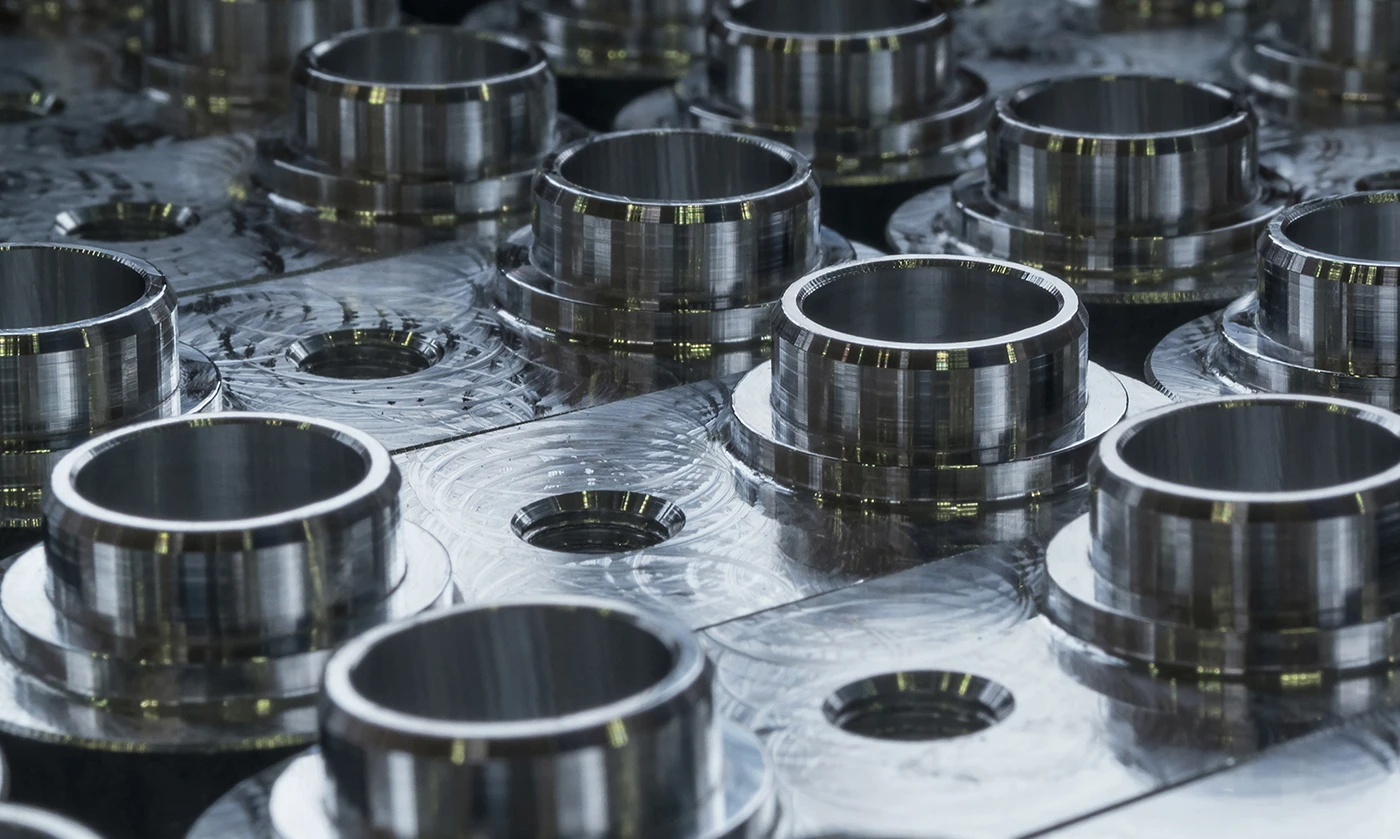
Wir bieten Ihnen die Kapazitäten und die Fähigkeit von Dutzenden von lokalen und globalen Bearbeitungsstätten, wobei Sie Ihre Geschäfte ganz einfach über nur einen Anbieter abwickeln. Sie können die Erfahrung und Spezialisierung all unserer Partner nutzen, während wir uns um sämtliche Kommunikation, Lieferung, Qualitätskontrolle und Zollabwicklung kümmern.

Spezialisierte Branchen

Wir haben schon Millionen von Teilen für alle Arten von Anwendungen hergestellt, wir haben jedoch besondere Kenntnisse in den folgenden Bereichen.

Luft- und Raumfahrt
Luft- und Raumfahrt

Aerodynamische Teile für Flugzeuge, Drohnen, Satelliten und Raketen mit AS 9100-Zertifizierung.

Weitere Informationen

Medizinische Industrie Image representing medical industry
Medizinische Industrie

Entwickeln Sie kundenspezifische medizinische Geräte und Diagnoseausrüstung, um Innovationen im Gesundheitswesen Krankenhäusern und Haushalten bereitzustellen.

Weitere Informationen

Automobilbranche
Automobilbranche

Beschleunigte Entwicklung für Elektrofahrzeuge und andere Innovationen der Automobilbranche.

Weitere Informationen

Robotik und Automatisierung Image representing robotics industry
Robotik und Automatisierung

Produzieren Sie komplexe Robotiksysteme, Greiforgane und automatisierte Maschinen für diese innovative Branche.

Weitere Informationen

Hubs im Vergleich zu 
traditionellen CNC-Fertigungsstätten

Wir nutzen Automatisierung, um benutzerdefinierte Bearbeitung leichter, schneller und günstiger anzubieten als traditionelle Fertigungsstätten:

  • Unsere Palette an Fähigkeiten ist unglaublich breit – breiter als die der meisten einzelnen Fertigungsstätten.

  • Unsere Angebote werden sofort erstellt – Sie können also ruhigen Gewissens so viele Angebotsanfragen erstellen, wie Sie möchten.

  • Keine versteckten Kosten – unsere Angebote schließen alle Kosten ein und wir halten uns an die Ihnen bereitgestellten Preise.

  • Unbegrenzte Größe Ihrer Bestellung – unser Dienst ist skalierbar, sodass wir Ihnen sowohl einzelne Prototypen als auch Millionen von Fertigungsteilen liefern können.

  • Wir setzen die Kräfte unseres Branchennetzwerks wirksam ein, sodass wir bei jeder Bestellung wettbewerbsfähige Preise garantieren können.

Hone Shaving: Fertigung qualitativ hochwertiger Rasierprodukte

Der Gründer von Hone Shaving Andrew Mitchell erzählt in diesem Video, wie er seine einzigartigen und qualitativ hochwertigen Rasierer mithilfe von Protolabs Network geschaffen hat.

Watch it here

FAQs

Welche Toleranzstandards garantieren Sie?

Wir garantieren, dass unsere Fertigungspartner alle CNC-Teile gemäß dem ISO-Standard 2768 herstellen. Bearbeitete Metallteile entsprechen ISO 2768-m (mittel) oder ISO 2768-f (fein). Bearbeitete Kunststoffteile werden gemäß 2768-m (mittel) gefertigt. Geometrische Toleranzen von bis zu ± 0,010 mm sind möglich, müssen jedoch in technischen Zeichnungen deutlich hervorgehoben werden. Wir können engere Toleranzen bei Spindeln mit einer Passung bis H7 und gelegentlich sogar noch enger anbieten. Angebote hierfür müssen jedoch manuell erstellt werden.

Weitere Informationen zur Vorbereitung einer technischen Zeichnung finden Sie hier.

Wie lauten die Mindest- und Höchstmaße, die Sie bearbeiten können?

Protolabs Network bietet CNC-Fräsen (3-achsig, 3+2-achsig und 5-achsig) und -Drehen an. Für das 3/3+2-achsige CNC-Fräsen können gefräste Teile bis zu 2000 x 1500 x 200 mm bearbeitet werden. Die maximale Werkstückgröße für das 5-achsige Fräsen beträgt 650 x 650 x 300 mm. Der maximale Durchmesser für das CNC-Drehen beträgt 431 mm, die Länge 990 mm. In Bezug auf die Mindestabmessungen von Werkstücken empfehlen wir ca. 10 x 10 x 10 mm. Das Mindestmaß für Konstruktionsmerkmale beträgt 0,5 mm.

Die maximale Größe für Teile ist auf unserer Plattform auf 1000 mm begrenzt. Falls Sie größere Maße benötigen, wenden Sie sich bitte mit Ihrer Anfrage an Ihren Account Manager.

Welche kosmetischen Standards garantieren Sie?

Das Entgraten und das Abrunden von Kanten zählen zu den Standardverfahren für alle CNC-Teile. Falls wichtige Kanten nicht abgerundet werden sollen, müssen diese deutlich in technischen Zeichnungen hervorgehoben werden. Die Oberflächen sind frei von Defekten wie Kratzer, Beulen, Farbflecken, Oberflächenfehler, Aufhängemarken und kleinere Fehler. Als kritisch gekennzeichnete Oberflächen (Hauptseite (a) gemäß technischer Zeichnung) sind frei von Frässchritten und anderen Markierungen. Für die sekundäre Seite (b) sind geringfügige Aufhängemarken und bis zu zwei kleine Defekte akzeptabel. Zur Verbesserung der Oberflächenrauheit, visuellen Eigenschaften und Verschleißbeständigkeit der bearbeiteten Teile können verschiedene Nachbearbeitungs- und Oberflächenveredelungsverfahren angewandt werden.

Weitere Informationen zu Nachbearbeitungsverfahren für die CNC-Bearbeitung. 

Was kostet Ihr CNC-Bearbeitungsdienst?

Wir nutzen Algorithmen des maschinellen Lernens, um die genauen Kosten jedes maschinell bearbeitbaren Teils anhand einer CAD-Datei zu berechnen, basierend auf Millionen von CNC-Bearbeitungsbestellungen, die wir bereits abgewickelt haben. Kein Warten mehr auf E-Mail-Antworten von Technikern – wir können Ihnen sofort (d. h. innerhalb von etwa 5 Sekunden) ein präzises Angebot unterbreiten.

Das bedeutet, dass Sie den Preis immer schon im Voraus kennen. Laden Sie einfach eine CAD-Datei hoch, um ein Preisangebot zu erstellen: Sofortangebot für CNC-Bearbeitung erstellen. Unsere Angebote sind völlig kostenlos. Sie müssen nur ein eigenes Konto einrichten, damit wir den Schutz Ihres geistigen Eigentums sicherstellen können.

Es ist so einfach, dass wir Maschinenbauingenieure dazu ermutigen, das System permanent zu nutzen, um die Kosten ihrer Entwürfe zu optimieren. Sobald Sie eine neue Entwurfsvariante erstellt haben, können Sie einfach Ihren alten Entwurf zusammen mit dem neuen in unser Angebots-Tool hochladen und sofort sehen, ob sich der Preis verändert hat.

Dank dieser Technologie müssen unsere Fertigungspartner keine eigenen Preisangebote erstellen und haben so weniger Aufwand. Dadurch wird der gesamte Prozess kostengünstiger, was sich in niedrigeren Preisen für unsere Kunden niederschlägt.

Wie kann ich die Kosten für meine bearbeiteten Teile reduzieren?

Die Hauptkosten in Verbindung mit der CNC-Bearbeitung können wie folgt gruppiert werden: Bearbeitungszeit, Anlaufkosten, Materialkosten und Merkmalskosten. Um die Kosten zu senken, müssen Sie zunächst die Auswirkungen dieser Faktoren auf die Kosten verstehen.

Die beste Möglichkeit zur Verringerung der Bearbeitungszeit ist die Entwicklung von Merkmalen, die schnell bearbeitet werden können, beispielsweise durch Auswahl der korrekten Radien für interne Kanten, Verringerung der Lochtiefe, Erhöhung der Wandstärken, Begrenzung der Gewindelänge und Entwicklung von Bohrungen mit Standardgrößen.

Die Materialkosten können reduziert werden, indem man die Größe des erforderlichen Rohlings und die Kosten und Bearbeitbarkeit von Grundmaterial (weichere Legierungen können schneller bearbeitet werden) in Betracht zieht.

Zur Verringerung der Anlaufkosten kann man die Anzahl der Umdrehungen von Teilen oder die erforderlichen Neupositionierungen zur Fertigstellung des Teils reduziert, z. B. indem die Geometrien in verschiedene Teile aufgeteilt werden, die später zusammengebaut werden können.

Die Merkmalskosten können verringert werden, indem Toleranzen nur dann verwendet werden, wenn dies unumgehbar ist, Text und Buchstaben entfernt und mehrere Oberflächenveredelungen vermieden werden.

Weitere Einzelheiten zu diesen Tipps finden Sie in unserem kompletten Leitfaden zur Verringerung der Kosten von CNC-bearbeiteten Teilen.

Wie wählen Sie den richtigen Fertigungspartner für meine Teile aus?

Wir verwenden Algorithmen zur Feststellung des besten Fertigungspartners in unserem Netzwerk für Ihren spezifischen Auftrag basierend auf der Nähe zu Ihnen, der Erfahrung des Herstellers mit ähnlichen Teilen und dessen derzeit verfügbaren Kapazitäten. Dadurch können wir den Anforderungen unserer Kunden an Geschwindigkeit, Kosten und Qualität besser denn je entsprechen.

Wo erhalten ich mehr Informationen zur CNC-Bearbeitung?

Protolabs Network wurde von Maschinenbauingenieuren ins Leben gerufen und wir haben noch viele weitere Ingenieure und Techniker in unserem Team. Im Laufe der Jahre haben wir gemeinsam viele Dokumente über die CNC-Bearbeitung verfasst. Unten finden Sie eine Auswahl an Ressourcen, oder navigieren Sie zu unserer Wissensdatenbank und filtern Sie nach CNC-Bearbeitung, wo Sie Fallstudien, detaillierte Designrichtlinien und Erklärungen zu verschiedenen Oberflächenveredelungen finden können.

Darüber hinaus haben wir einen kompletten Leitfaden zur CNC-Bearbeitung für Ingenieure geschrieben. Hier erfahren Sie mehr dazu, wie die vielen verschiedenen Fräsen und Drehbänke funktionieren und welche verschiedenen Materialien verfügbar sind. So können Sie ganz leicht deren Vorteile und Einschränkungen vergleichen. Außerdem erfahren Sie mehr über die grundlegenden Regeln für das Entwerfen von Fertigungsteilen und die häufigsten Anwendungen für jedes Material und jede Oberflächenveredelung, sodass Sie stets die richtigen Entscheidungen treffen können.

Soll ich meine Teile vor Ort oder im Ausland fertigen lassen?

Kunden in den USA und der EU haben für Ihre CNC-bearbeiteten Teile die Wahl zwischen lokaler und globaler Fertigung. Lokale Aufträge werden innerhalb Ihrer Zollabfertigungszonen gefertigt, was zu kürzeren Vorlaufzeiten (ab 5 Tage) und schnelleren Lieferungen führt, da für Lieferungen keine Zollabfertigung erforderlich ist. Bei globalen Aufträgen kommt es normalerweise zu längeren Vorlaufzeiten, die Teile können jedoch zu einem niedrigeren Preis gefertigt werden. Die für Sie beste Option hängt vom Zeitrahmen und den Anforderungen Ihres Projekts ab.

How does Protolabs Network's custom CNC machining service work?

Using CAD (computer-aided design) modeling software and G-code, CNC milling and CNC turning machines remove material from a solid workpiece with precision and speed. CNC machines manufacture parts with tight tolerances and a range of impressive mechanical and chemical properties. Our custom CNC machining service is ideal for one-off jobs and low-to-medium volume production, thanks to automation and high repeatability.

How do you start CNC machining parts with Protolabs Network?

Our global network of CNC machining centers manufacture custom parts for applications ranging from rapid prototyping to serial production. To start sourcing CNC-machined parts, simply upload a CAD file and technical drawing to our online Quote Builder. You’ll either receive an instant CNC quote and be able to start production in only a few clicks, or you’ll be directed to one of our engineers for design for manufacturability (DFM) guidance.

What materials are available for CNC machining?

We offer 75+ metals and plastics for CNC machining, including aluminium, stainless steel, carbon and alloy steels, copper alloys, and engineering plastics. Our range has recently expanded with 24 new materials, including:

Phosphor bronze (CuSn5, CuSn6, CuSn8, CuSn12)

Inconel 625

Aluminium alloys (e.g. 5251, 5754, 2007)

Tool steels and high-performance alloys

This expanded portfolio gives you more flexibility when selecting the right material for your application.

What are the most commonly used CNC materials?

Common CNC materials include:

Aluminium (lightweight, corrosion-resistant and versatile)

Steels (carbon, alloy, stainless: for strength and durability)

Copper alloys (including bronze, for wear resistance and conductivity)

Engineering plastics (e.g. PEEK for high-performance applications)

With our expanded offering, you have access to an even broader selection of industry-standard materials in one place.

Do you offer high-performance or specialty materials?

Yes. We offer a range of high-performance materials, including:

Inconel 625 for high-temperature and corrosion-resistant applications

PEEK (including glass-filled PEEK) for demanding mechanical environments

Advanced tool steels and alloy steels

These materials are ideal for industries such as aerospace, automotive and industrial equipment.

Is bronze available for CNC machining?

Yes, bronze is now available as part of our expanded CNC material range.

We offer phosphor bronze alloys (CuSn5, CuSn6, CuSn8, CuSn12), which are ideal for components requiring:

High wear resistance

Low friction

Strong corrosion resistance

Typical applications include bearings, bushings and electrical components.

How do I choose the right material for my CNC part?

Material selection depends on factors including:

Mechanical properties (strength, hardness and wear resistance)

Environmental conditions (temperature and corrosion)

Weight and cost requirements

Our platform provides instant quoting and DFM feedback, and our team can offer guidance regarding the best material for your application.
CNC-Bearbeitungsressourcen für Ingenieure

CNC 101 - hero image 3

CNC-Zerspanung: Leitfaden | Protolabs Network (ehemals Hubs)

Weiterlesen
Einführung in die CNC-Bearbeitung

Einführung in das CNC Fräsen

Weiterlesen
How to design parts for CNC machining

How to design parts for CNC machining

Weiterlesen
Minimizing the cost of CNC parts (13 proven design tips)

14 proven design tips to reduce the cost of CNC machining

Weiterlesen
How to prepare a technical drawing for CNC machining

How to prepare a technical drawing for CNC machining

Weiterlesen
Selecting the right CNC material

How do you select the right materials for CNC machining?

Weiterlesen
Surface Finishes for CNC Machinining

What are the types of surface finishes for CNC machining?

Weiterlesen
Heat treatments for CNC machined parts

What is heat treatment and how does it improve CNC-machined parts?

Weiterlesen
3D-Druck und CNC-Bearbeitung im Vergleich

3D printing vs. CNC machining: Which is better for prototyping and end-use parts?

Weiterlesen
CNC 101 - hero image 3

CNC-Zerspanung: Leitfaden | Protolabs Network (ehemals Hubs)

Erfahren Sie in 25 Minuten oder weniger alles, was Sie über die Zerspanung wissen müssen. Erhalten Sie wertvolle Einblicke in die CNC-Verfahren CNC Fräsen, CNC Drehen sowie 5-Achsen-CNC-Bearbeitung.

Weiterlesen
Einführung in die CNC-Bearbeitung

Einführung in das CNC Fräsen

In diesem Einsteiger-Leitfaden zum CNC Fräsen behandeln wir die Grundprinzipien des gängigsten subraktiven Fertigungsverfahrens. Nachdem Sie diesen Artikel gelesen haben, werden Sie die grundlegende Mechanik von CNC Fräsen sowie die wichtigsten Vorteilen und Einschränkungen verstehen.

Weiterlesen
How to design parts for CNC machining

How to design parts for CNC machining

In this complete guide to designing for CNC machining, we've compiled basic & advanced design practices and tips to help you achieve the best results for your custom parts.

Weiterlesen
Minimizing the cost of CNC parts (13 proven design tips)

14 proven design tips to reduce the cost of CNC machining

Optimize your part design and material selection to get the most from CNC machining. Read these 14 CNC machining design tips to reduce costs and deliver parts that meet engineering requirements.

Weiterlesen
How to prepare a technical drawing for CNC machining

How to prepare a technical drawing for CNC machining

How do you prepare technical drawings for CNC machining and why are they important? Technical drawings are standard documents used in manufacturing to communicate technical requirements between the designer, engineering team, and the manufacturer. Clear drawings reduce ambiguity, speed up production, and help ensure parts are produced to the required specifications.

Weiterlesen
Selecting the right CNC material

How do you select the right materials for CNC machining?

This comprehensive guide compares the 25 most common materials used in CNC machining and helps you choose the right one for your application.

Weiterlesen
Surface Finishes for CNC Machinining

What are the types of surface finishes for CNC machining?

What surface finishes are available for CNC machining? Post-processing and surface finishes improve surface roughness, visual appearance, and wear resistance of metal parts. This guide covers the most common surface finishes for CNC-machined metal parts and how to choose the right one for engineered components.

Weiterlesen
Heat treatments for CNC machined parts

What is heat treatment and how does it improve CNC-machined parts?

What are the different types of heat treatment and how do they affect CNC-machined parts? This article explores how heat treatments can be applied to many metal alloys to drastically improve key physical properties like hardness, strength and machinability.

Weiterlesen
3D-Druck und CNC-Bearbeitung im Vergleich

3D printing vs. CNC machining: Which is better for prototyping and end-use parts?

When it comes to custom part production, choosing between 3D printing and CNC machining can be challenging. This guide breaks down the key differences between these popular manufacturing technologies, helping you decide which is best suited for prototyping, low-volume production, or functional end-use parts.

Weiterlesen
Mehr anzeigen

Weniger anzeigen

Unsere anderen Fertigungsdienstleistungen

3D-Druck Other manufacturing capabilities
3D-Druck

FDM, SLA, SLS, MJF

  • Über 25 Kunststoffe und über 35 Farben

  • Maßgenauigkeit von ±0,5 % mit einer Untergrenze von bis zu 0,15 mm

  • Vorlaufzeiten ab 1 Werktag

Mehr über Blechbearbeitung
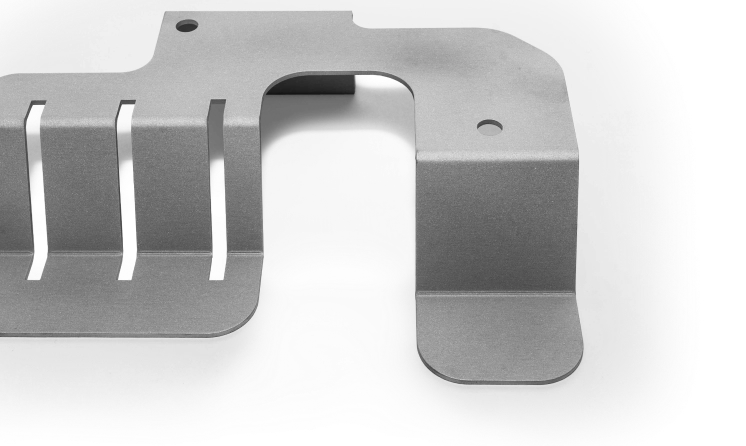
Blechbearbeitung
Blechbearbeitung

Laserschneiden, Biegen, Nachbearbeiten

  • Toleranzen bis zu ±0,1 mm

  • Lieferzeiten ab 5 Werktagen

Mehr über Blechbearbeitung
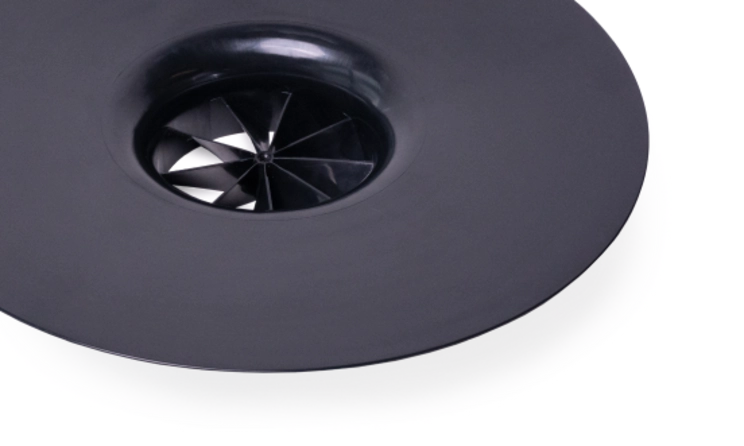
Spritzguss
Spritzguss

Prototypen und Produktionswerkzeuge

  • Breites Spektrum an Teilekomplexitäten und -größen

  • 1 bis 1 Million Teile

Mehr über Spritzguss

Beginnen Sie noch heute mit der Produktion Ihrer CNC-Teile

Sofortangebot für CNC-Bearbeitung anfordern