


Key summary
Polypropylene (PP) is a lightweight, semi-rigid thermoplastic known for its excellent chemical resistance, low density, and outstanding fatigue performance. It is available as a homopolymer (PPH) for greater stiffness and heat resistance, or as a copolymer (PPC) for improved impact strength at low temperatures. As polypropylene resists moisture, chemicals, and repeated flexing, it is widely used for chemical processing equipment, medical devices, food-contact components, living hinges, and consumer products. It can be manufactured using injection molding for high-volume production, CNC machining for prototypes and low-volume parts, or 3D printing for rapid design validation. This guide explains polypropylene's properties, compares its main grades, explores common engineering applications, and discusses the most suitable manufacturing processes for producing polypropylene components.

What is polypropylene (PP)?
Polypropylene (PP) is a lightweight, semi-rigid thermoplastic in the polyolefin family and is one of the most widely produced plastics. It combines flexibility, high impact strength and excellent chemical resistance with low density and good electrical insulation. It comes in two main forms: homopolymer (stiffer, stronger) and copolymer (tougher at low temperatures).
Polypropylene is used for chemical hardware, medical devices and consumer prototypes, and is made by injection molding, CNC machining or 3D printing depending on volume. Polypropylene is food-safe, non-toxic and fully recyclable under resin code 5.
Polypropylene (PP) is a lightweight, semi-rigid thermoplastic polymer belonging to the polyolefin family. Discovered in the 1950s, it has grown to become one of the most widely produced plastics in the world due to its highly adaptable mechanical characteristics. Engineers and designers select this polymer for components that require an optimal balance of structural flexibility and high impact strength.
The chemical structure of polypropylene consists of repeating propylene monomers linked into long molecular chains. This configuration gives the material a low coefficient of friction, superior electrical insulation properties and natural resistance to moisture absorption. Its unique combination of toughness and flexibility makes it an essential material across fluid handling systems, medical hardware and consumer goods.
Properties of polypropylene
Polypropylene possesses distinct mechanical and thermal capabilities that directly dictate its performance under industrial operating conditions. A primary mechanical advantage is its exceptional fatigue life, which allows the polymer to withstand continuous bending and flexing without cracking. This property makes it the industry standard for integrating functional living hinges into enclosures and containers.
The material maintains a continuous service temperature up to 110°C (230°F) and reaches its melting point at 160°C (320°F), which is significantly higher than alternative high-volume plastics like polyethylene. It stands out for its exceptionally low density, providing a high strength-to-weight ratio for weight-sensitive industrial components. Furthermore, it exhibits excellent chemical resistance, remaining unaffected by aggressive acids, bases and organic solvents.
The table below outlines the foundational material characteristics of standard unfilled polypropylene:
| Property | Value (Metric) | Value (Imperial) |
|---|---|---|
| Density | 0.90 - 0.92 g/cm³ | 0.032 - 0.033 lb/in³ |
| Tensile Strength | 30 - 40 MPa | 4,350 - 5,800 psi |
| Flexural Modulus | 1.2 - 1.6 GPa | 174,000 - 232,000 psi |
Types and grades of polypropylene
Polypropylene is primarily manufactured in two distinct formulations that alter its final mechanical performance and machinability: homopolymers and copolymers.
Polypropylene homopolymer (PPH) represents the most common grade, offering a higher strength-to-weight ratio and greater stiffness than alternative blends. It generally provides higher stiffness and heat resistance, making it the standard choice for rigid industrial components and chemical piping systems.
Polypropylene copolymer (PPC) introduces ethylene molecules into the polymer chain, which significantly increases impact strength at low temperatures. While it sacrifices a small degree of rigidity and maximum thermal resistance compared to homopolymers, it provides superior pliability and crack resistance. This increased impact protection makes copolymer grades highly effective for rugged industrial packaging and snap-fit assemblies.
How is polypropylene used in manufacturing?
Manufacturers select polypropylene when industrial components require extremely low moisture absorption, continuous mechanical stress or harsh chemical exposure. Its chemical resistance and relatively low coefficient of friction make it highly effective for moving parts within fluid distribution systems, while its excellent electrical insulating properties serve as reliable shielding for electronic enclosures.
Typical applications across industries include:
-
Chemical hardware: Custom storage tanks, laboratory fixtures and CNC-machined valve bodies exposed to corrosive chemical environments.
-
Medical devices: Autoclavable laboratory trays, diagnostic equipment housings and specialized medical packaging that requires high thermal sterilization boundaries.
-
Consumer product prototypes: Early-stage visual models and functional test parts for snap-fits, closures and integrated living hinges.
Manufacturing polypropylene parts: molding, CNC and 3D printing
The optimal fabrication method for polypropylene components depends on your required production volume, structural complexity and geometric tolerance requirements:
-
Injection molding: The standard production method for high-volume runs exceeding thousands of parts. Injection moulding easily accommodates complex thin-walled geometries while maintaining highly consistent mechanical properties and surface finishes.
-
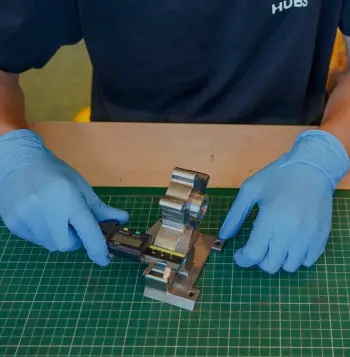
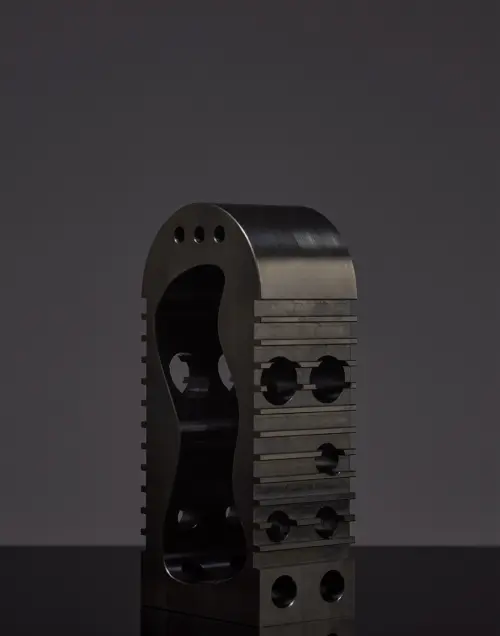
CNC machining: Ideal for rapid low-volume production, functional prototyping and components with thick cross-sections. This subtractive process achieves high dimensional accuracy, but tool paths must be optimized to manage material deflection caused by the flexibility of polypropylene.
-
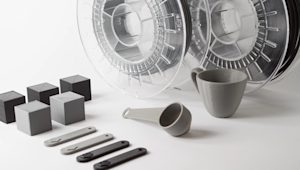
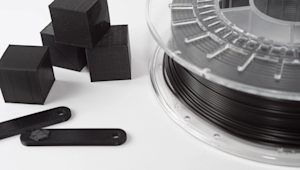
3D printing: Best suited for early-stage visual models and complex industrial geometries that would be difficult to manufacture using traditional tooling. Additive manufacturing allows rapid design validation but typically results in lower mechanical properties.
Is polypropylene safe and recyclable?
Polypropylene is widely classified as a safe, non-toxic polymer suitable for highly sensitive applications, including food-contact containers, consumer packaging and medical instruments. Its high thermal stability allows parts to undergo standard sterilization cycles without losing structural integrity.
From an environmental standpoint, polypropylene is recyclable and falls under the resin identification code 5. Recycled polypropylene can be reprocessed into raw industrial pellets to manufacture heavy-duty shipping pallets, automotive parts and structural commercial lumber.
Get started
Upload your CAD file for an instant quote and DFM analysis to optimize your custom polymer design for efficient and scalable manufacturing.
Sources:
Protolabs Network, Polypropylene CNC machining, https://www.hubs.com/cnc-machining/plastic/polypropylene/ — accessed 17 August 2026
Protolabs Network, Injection molding, https://www.hubs.com/injection-molding/ — accessed 17 August 2026
Frequently asked questions
Is polypropylene safe for food contact?
Polypropylene is widely classed as safe and non-toxic and is chemically inert, so it does not leach substances into food under normal temperatures. Its heat resistance also allows parts to withstand standard sterilization.
What is the difference between homopolymer and copolymer polypropylene?
Homopolymer (PPH) is stiffer and stronger with higher thermal limits, which suits rigid parts and chemical piping. Copolymer (PPC) adds ethylene for enhanced impact strength at low temperatures, which suits rugged packaging and snap-fits.
Can polypropylene be CNC machined?
Polypropylene is well suited to low-volume production and prototypes. Tool paths must be optimized to manage the material's flexibility, which can cause deflection during cutting.
Is polypropylene recyclable?
Polypropylene is recyclable and falls under resin identification code 5. Recycled polypropylene is reprocessed into pallets, automotive parts and structural lumber.