
Get instant quote

3D-printing innovations: Discover our modern techniques

The narrative surrounding 3D printing has shifted from ‘toys’ and conceptual models to sophisticated industrial production. This technique is no longer limited to rapid prototyping. Additive manufacturing has become a cornerstone for high-performance, end-use components in the aerospace, medical, and automotive sectors.

This transition is fueled by 3D printing innovations that bridge the gap between digital design and performance. These innovations optimize supply chains, minimize waste, and enable geometries unattainable through subtractive manufacturing.

Hardware breakthroughs

The expansion of the possible materials is the most impactful 3D printing innovation in recent years. Manufacturers are no longer limited to basic plastics. Use engineering-grade thermoplastics like PEEK and PEI for high-heat environments instead, or use specialized metal alloys for aerospace applications. 

These high-performance materials offer superior chemical resistance, strength, and flame retardancy. This allows 3D-printed parts to work as a substitute for machined components in harsh environments.

Next-generation materials

Innovation is often hidden in the raw material. Beyond standard resins and powders, the focus has shifted towards high-performance polymers and advanced metal alloys that rival the properties of forged counterparts. 

These 3D printing innovations also include the development of carbon-filled composites for structural rigidity and bio-compatible metals for medical implants. By engineering materials at the molecular level, manufacturers can now achieve specific thermal stability and fatigue resistance. This enables additive parts to perform reliably even in the most extreme industrial applications.

AI and software integration

The most significant 3D printing innovations are currently happening digitally. Modern software uses AI and generative design to make parts stronger and lighter. 

By running build simulations before the machine starts, the software predicts distortions and automatically corrects them within the design file. This digital integration minimizes failed builds and guarantees the predictable, repeatable quality essential for industrial scaling.

Sustainability: Reducing waste and shortening supply chains

3D printing is a great way to produce parts sustainably. Unlike old methods that cut away material, 3D printing only uses what is needed. This prevents a lot of raw material waste. Since parts are made on demand, companies do not need to keep large inventories. This saves storage space and reduces emissions from international shipping. By printing locally, parts arrive faster and the whole supply chain is better for the environment.
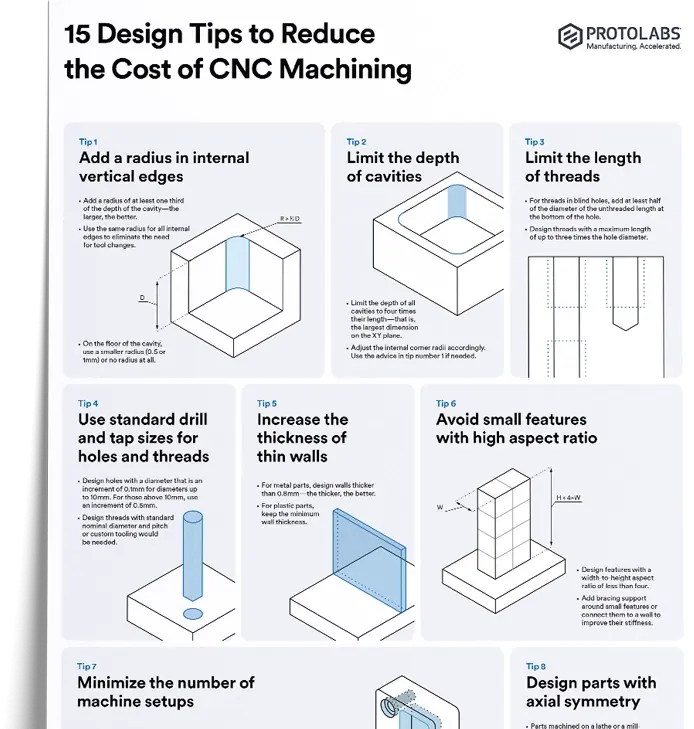
CNC machining, 3D printing and sheet metal fabrication parts

Frequently asked questions

How do new materials compare to traditional metals?

High-performance 3D printing materials are now strong enough to replace traditional metals in many cases. They offer excellent chemical resistance and can handle extreme heat. Because these materials are much lighter than steel or aluminum, they help to reduce the total weight of a machine or vehicle without losing strength.

How does AI improve the 3D printing process?

AI software makes 3D printing more reliable by finding and fixing mistakes before the printing starts. It helps design parts that are as strong as possible while using the least amount of material. This means fewer failed prints, less wasted time, and a more consistent quality for every part made.

Why is 3D printing considered more sustainable?

3D printing is better for the planet as it only uses the material needed to build the part, which creates very little waste. It also allows companies to print parts locally and on demand. This removes the need for large warehouses and reduces pollution caused by shipping parts across the world.

Do you want to see your design in reality? Upload your CAD file to the Protolabs Network platform for an instant quote and expert analysis. Still have questions? Don’t hesitate to contact us.


More resources for engineers

6. FDM 3D Printing

3D-printing innovations: Discover our modern techniques

Read article

Reaming: How it works, applications, and advantages

Read article
3D Printing STL files: A step-by-step guide

3D printing file types: A guide to STL, 3MF, OBJ and STEP

Read article
MJF surface finish tumble smoothing

Sanding 3D prints: Techniques for a smooth 3D print

Read article
Supports in 3D Printing: A technology overview

How to remove supports from 3D-prints

Read article
FDM 3D Printing materials compared

Resin versus filament 3D printer

Read article
PLA vs. ABS: What's the difference?

ABS versus PETG: a detailed comparison

Read article
Bronze material cnc machining

Heavy-duty applications for CuSn8 tin bronze

Read article
Metal mold of wheel spacers and bolts

Inconel 625: Handling extreme heat and corrosion

Read article
Aluminum block

AlMg3 (5754) aluminum: essential properties

Read article
microfine sla part

SLA versus SLS: Choosing the right 3D printing process

Read article
A close-up of a tensile strength testing machine evaluating the durability and flexibility of a material sample.

Tensile strength explained: definition and material performance

Read article
6. FDM 3D Printing

3D-printing innovations: Discover our modern techniques

Discover the latest 3D-printing innovations. We use modern techniques, the best hardware and high-quality materials. Upload your CAD-files.

Read article

Reaming: How it works, applications, and advantages

Read all about reaming. How does it work and which applications are available? Upload your CAD file for a quote.

Read article
3D Printing STL files: A step-by-step guide

3D printing file types: A guide to STL, 3MF, OBJ and STEP

Avoid scaling errors and low resolution. Choose the right 3D printing file types for your project and benefit from our high-quality results.

Read article
MJF surface finish tumble smoothing

Sanding 3D prints: Techniques for a smooth 3D print

Can you sand 3D prints? Follow our 5-step guide to mastering wet sanding and priming for perfectly smooth 3D prints every time.

Read article
Supports in 3D Printing: A technology overview

How to remove supports from 3D-prints

Learn how to remove supports from 3D-prints safely and cleanly. Follow proven steps and upload your CAD file for expert DFM feedback.

Read article
FDM 3D Printing materials compared

Resin versus filament 3D printer

Discover the biggest differences between resin printers versus filament 3D printers. How do both systems work? Learn about both methods.

Read article
PLA vs. ABS: What's the difference?

ABS versus PETG: a detailed comparison

Discover all the advantages and disadvantages of PETG versus ABS. Ask our experts for personalized advice or upload your CAD file.

Read article
Bronze material cnc machining

Heavy-duty applications for CuSn8 tin bronze

Analyze the mechanical performance of CuSn8. From hydraulic cylinders to marine hardware, see how this 8% tin alloy handles stress.

Read article
Metal mold of wheel spacers and bolts

Inconel 625: Handling extreme heat and corrosion

From jet exhausts to subsea parts, read about the versatility of Inconel 625. Get technical data on strength, welding, and fabrication.

Read article
Aluminum block

AlMg3 (5754) aluminum: essential properties

Read about AlMg3 (5754) properties for marine use. See why its corrosion resistance and stability make it the top choice for welding aluminum.

Read article
microfine sla part

SLA versus SLS: Choosing the right 3D printing process

SLA versus SLS: Choose the right 3D printing method for your process. Do you need help to make a decision? Don’t hesitate to contact us.
Read article
A close-up of a tensile strength testing machine evaluating the durability and flexibility of a material sample.

Tensile strength explained: definition and material performance

Tensile strength dictates the structural limits of your design. Learn how it impacts CNC machining, sheet metal forming, and 3D printing performance.

Read article

Show more

Show less

Ready to transform your CAD file into a custom part? Upload your designs for a free, instant quote.

Get an instant quote